

Share This Article
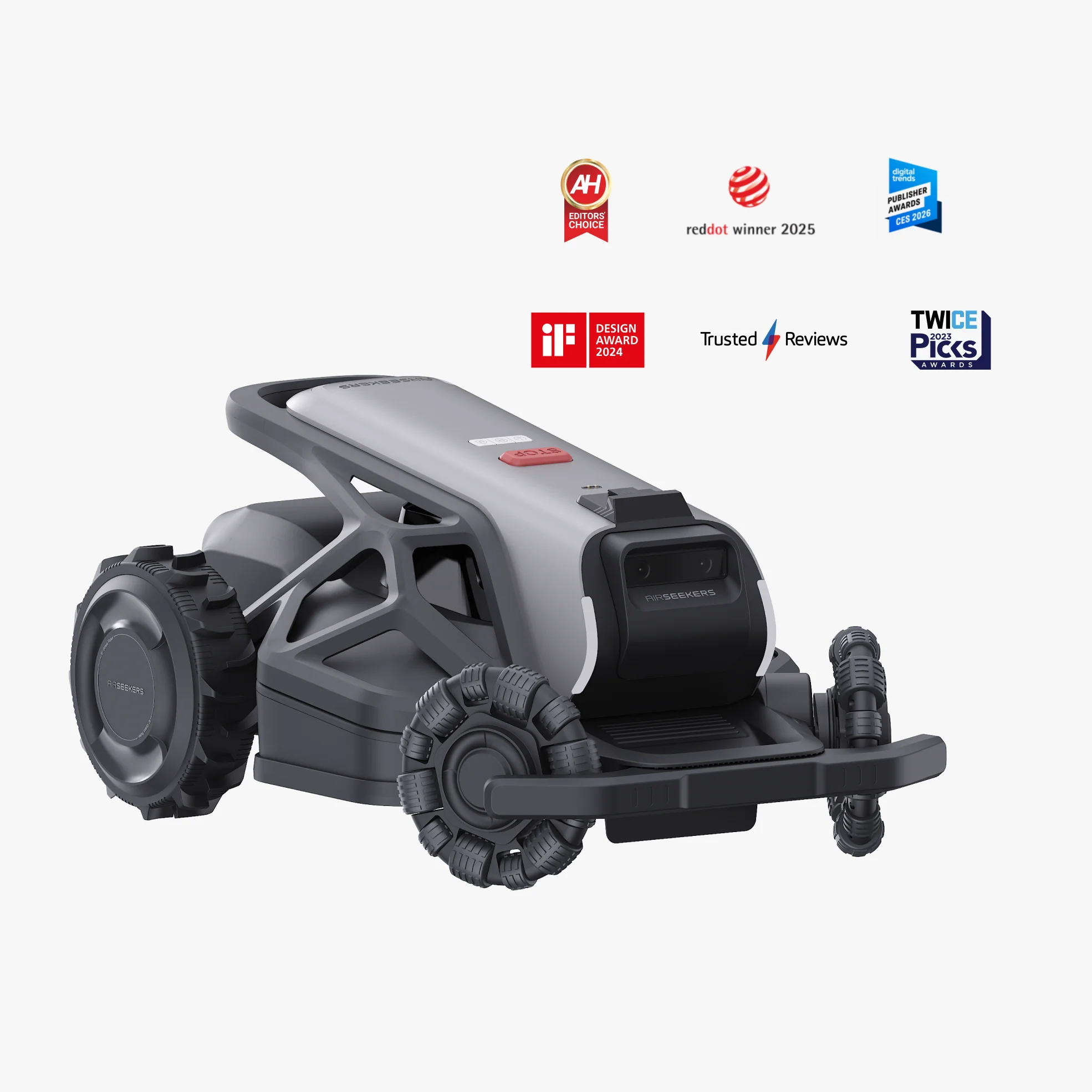
The drone industry has experienced explosive growth over the past decade, yet many platforms remain tethered to manual control and basic automation features that limit their practical applications. AIRSEEKERS represents a new generation of aerial robotics companies pushing beyond traditional constraints, developing autonomous systems that leverage advanced artificial intelligence, computer vision, and sophisticated flight algorithms to enable unprecedented capabilities. These innovations transform drones from entertainment gadgets into serious professional tools capable of executing complex missions with minimal human intervention.
The Evolution From Manual Flight to True Autonomy
Early consumer drones required pilots to actively control every flight parameter, from altitude to heading to forward movement. While this direct control appealed to enthusiasts, it severely limited practical applications and created significant barriers for professional deployment. AIRSEEKERS has engineered drone systems that understand their environment, plan efficient flight paths, and execute missions autonomously while maintaining the ability for human intervention when needed.
This autonomous capability fundamentally changes what becomes possible with drone technology. Instead of requiring a skilled pilot to concentrate on flight control throughout an operation, teams can focus on mission objectives—data collection, inspection tasks, surveillance, or mapping. AIRSEEKERS drones represent the maturation of autonomous flight technology from experimental proof-of-concept to reliable operational systems.
Advanced Vision Systems and Environmental Understanding
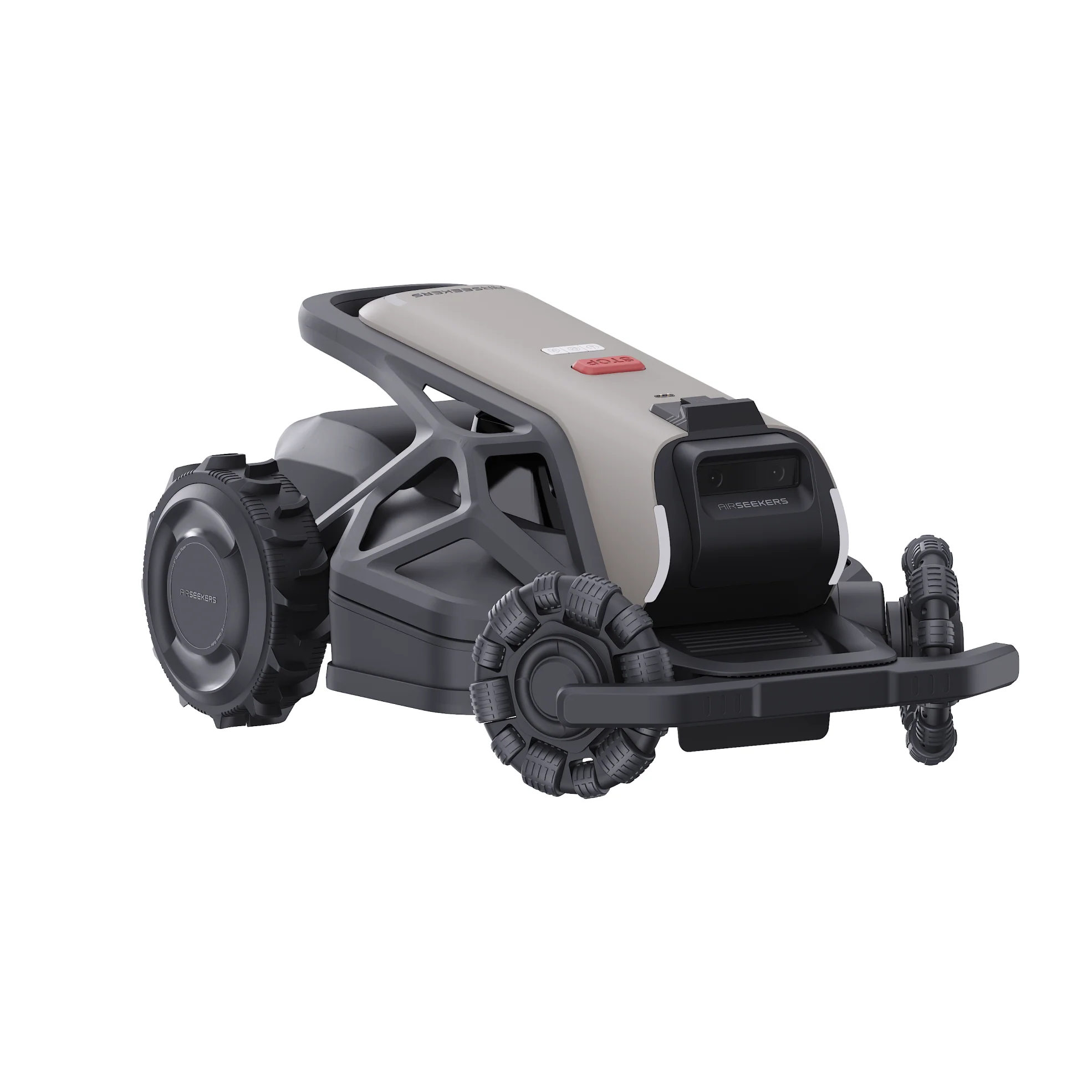
At the heart of AIRSEEKERS autonomous drones lies sophisticated computer vision technology that allows the aircraft to understand and interact with complex three-dimensional environments. Multiple camera systems, LiDAR sensors, and advanced algorithms work in concert to create detailed environmental maps, detect obstacles, and identify objects of interest with remarkable accuracy. This sensory awareness enables drones to navigate environments autonomously, avoid collisions, and even detect and track moving targets.
The practical implications extend across numerous industries. Precision agriculture operations can deploy AIRSEEKERS drones to monitor crop health and apply targeted treatments without human pilots requiring direct line of sight. Infrastructure inspection teams can program autonomous flight paths to inspect power lines, cellular towers, or building facades, capturing detailed imagery while eliminating human risk. Environmental researchers can deploy the systems to monitor wildlife populations, track environmental changes, or collect atmospheric data.
Mission Planning and Intelligent Decision-Making
Professional drone operations require more than just the ability to fly autonomously—they demand sophisticated mission planning tools that allow operators to define objectives, set parameters, and let the system execute complex tasks intelligently. AIRSEEKERS has invested heavily in developing intuitive planning interfaces and robust autonomous decision-making systems that allow even non-expert operators to execute sophisticated aerial missions.
Modern AIRSEEKERS systems can be programmed to execute predefined flight patterns, monitor specific areas continuously, respond to changing conditions intelligently, and adapt their behavior based on real-time information. If a system detects an anomaly—unusual temperature readings, structural damage, or environmental changes—the drone can immediately alert operators or adjust its approach. This level of intelligent automation transforms drone operations from requiring constant human attention to functioning more like autonomous teams that handle routine tasks while escalating important decisions to human supervisors.
Extended Operational Range and Endurance
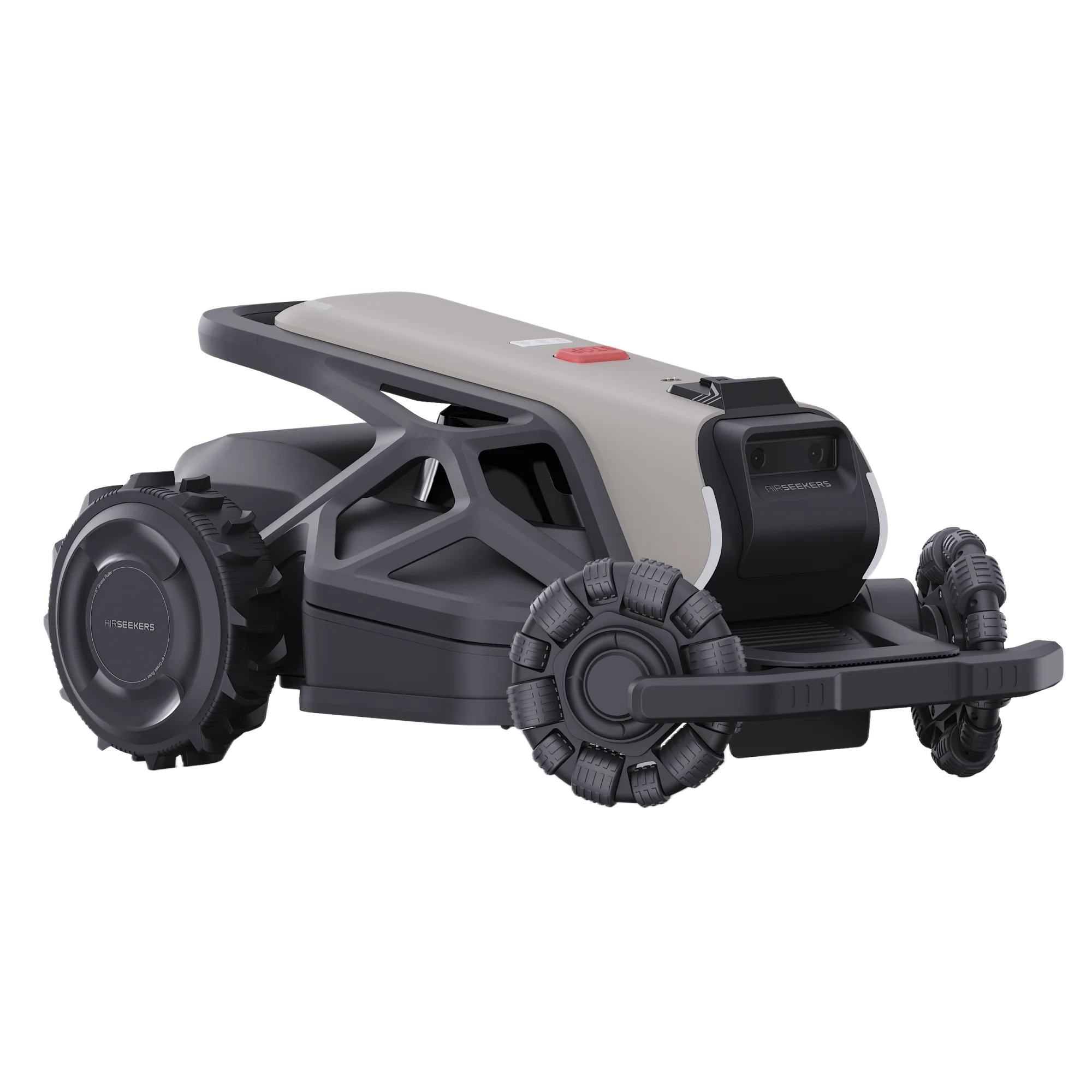
Battery limitations have historically constrained drone operations, forcing pilots to plan missions around available flight time. AIRSEEKERS engineers have developed power management systems and efficient flight algorithms that extend operational endurance while simultaneously enabling longer-range operations. This combination allows operators to deploy systems for longer surveillance periods, cover larger geographic areas, and execute more comprehensive inspection missions without requiring multiple vehicle sorties.
The extended range of AIRSEEKERS aerial robotics platforms has particular significance for emergency response operations, where rapid deployment across large areas can mean the difference between successful interventions and missed critical windows. Search and rescue teams, disaster assessment specialists, and emergency management agencies increasingly rely on extended-range autonomous systems to gather intelligence quickly and support life-saving operations.
Regulatory Compliance and Safety Systems
Professional drone operations exist within increasingly complex regulatory frameworks designed to ensure public safety and protect privacy. AIRSEEKERS has prioritized building safety systems and compliance features directly into their platforms, recognizing that real-world deployment requires more than just impressive flight capabilities. Automated compliance systems ensure drones operate within legally permitted airspace, automatically limiting flight ceilings, respecting no-fly zones, and maintaining communication with air traffic systems where required.
Advanced sense-and-avoid systems, redundant safety features, and failsafe mechanisms protect both the aircraft and the public in the event of system malfunctions. AIRSEEKERS platforms represent the integration of safety engineering and autonomous capabilities that enables legitimate professional deployment rather than merely experimental systems.
Data Integration and Actionable Intelligence
The true value of modern drone systems lies not merely in capturing data but in transforming raw aerial information into actionable intelligence. AIRSEEKERS has developed ecosystem integrations that allow their drones to feed collected data directly into professional software platforms—GIS systems, asset management platforms, maintenance scheduling tools, and analytical systems. This data integration eliminates manual transfer steps, reduces errors, and enables rapid decision-making based on current aerial information.
Agricultural teams can immediately see crop health metrics and irrigation requirements alongside captured imagery. Inspection teams can flag structural defects and automatically schedule maintenance. Environmental scientists can visualize ecosystem changes and track variables across time. The sophistication of AIRSEEKERS autonomous systems means the real value proposition extends beyond the hardware to encompassing entire professional workflows that leverage aerial intelligence.
The Future of Professional Aerial Operations
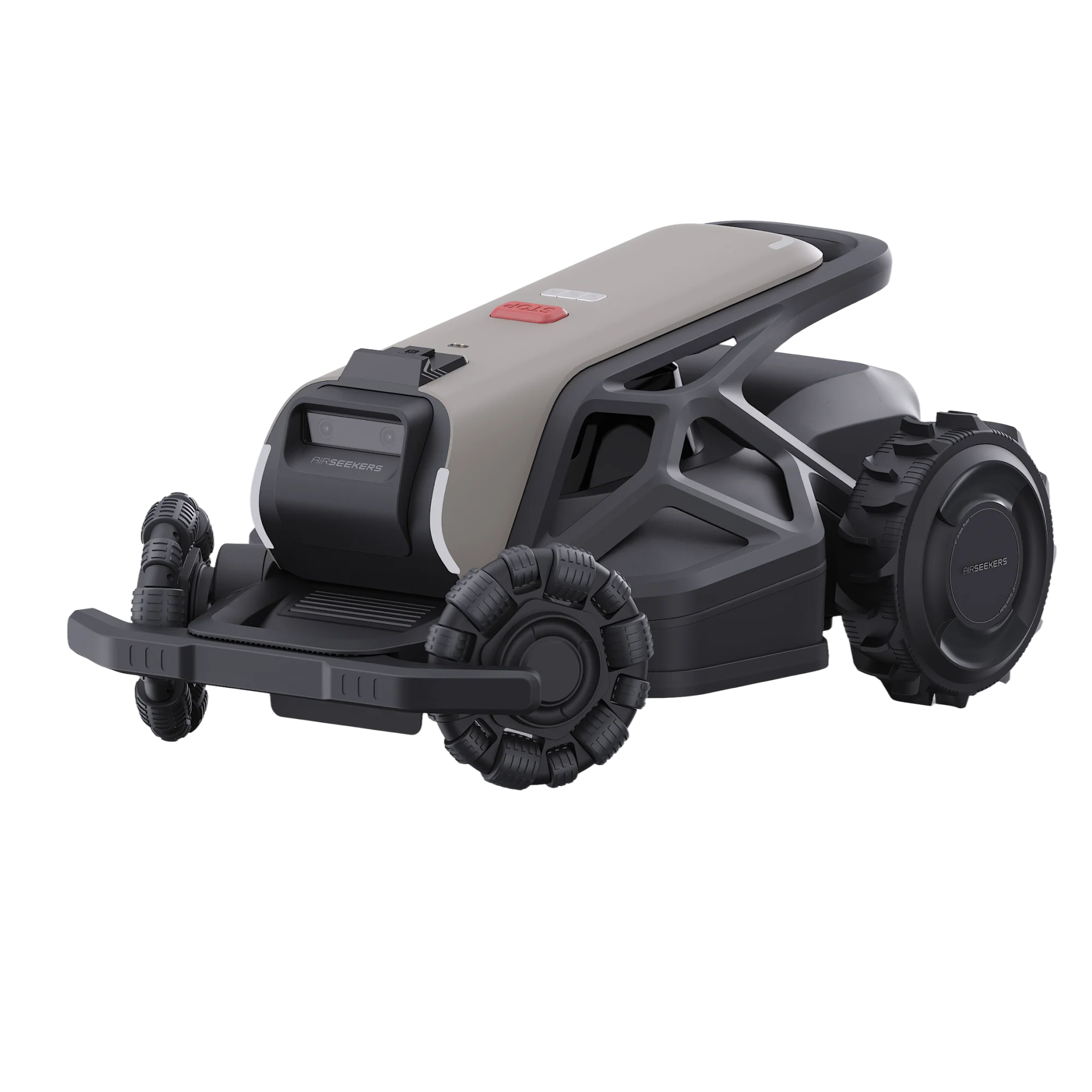
As autonomous technology matures and regulatory frameworks adapt to enable broader deployment, professional organizations increasingly recognize that AIRSEEKERS aerial robotics represents the next generation of professional tools. Organizations that successfully integrate autonomous drone technology into their operations gain competitive advantages through faster data collection, reduced operational costs, improved safety, and access to information previously difficult or dangerous to obtain.
- Advanced autonomous systems eliminate requirement for skilled pilots during routine operations, democratizing drone access
- Computer vision and LiDAR sensor integration enables environmental understanding and autonomous obstacle avoidance
- Extended operational range and endurance expand practical applications across agriculture, infrastructure, and emergency response
- Integrated safety systems and regulatory compliance features enable legitimate professional deployment
- Data integration with professional software platforms transforms aerial imagery into actionable intelligence
AIRSEEKERS has positioned autonomous aerial robotics as an essential professional tool category, moving beyond consumer entertainment drones to create systems that legitimate organizations can deploy confidently across critical operations.