

Share This Article
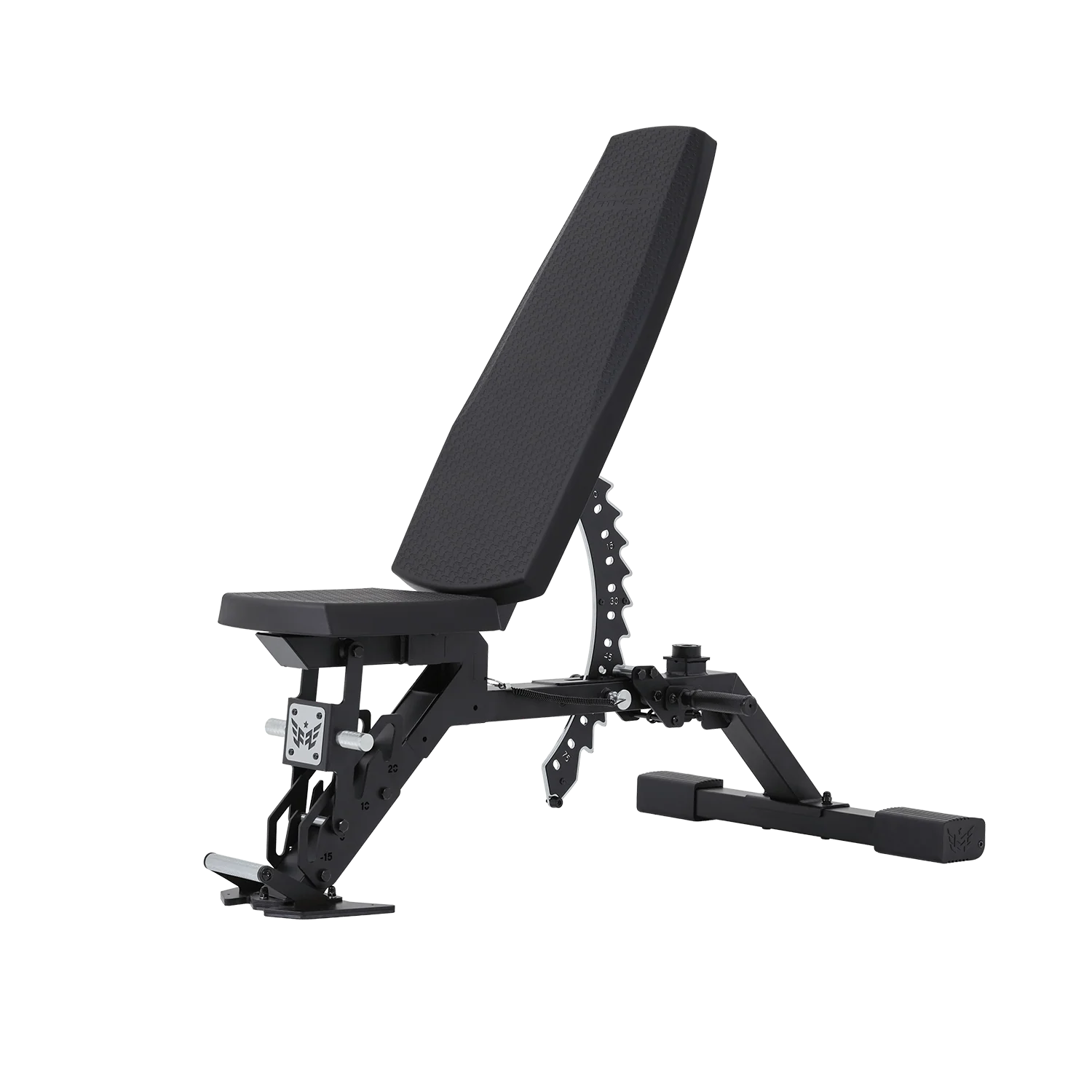
Fitness investment decisions matter financially. Most people choose between gym memberships and home equipment purchases without detailed financial analysis. Monthly gym fees seem manageable until calculating cumulative costs. Home equipment demands substantial upfront investment. Which option proves more economical long-term? Personal circumstances vary workout consistency, duration commitment, lifestyle preferences influence calculations. Average gym memberships cost between $50 and $150 monthly. Multi-year commitments accumulate thousands in fees. Home equipment reduces ongoing costs but requires initial capital outlay. Home gym equipment like the Major Fitness B52 offers compelling financial analysis. Understanding long-term costs reveals whether home fitness investments justify expenses compared to memberships. Comparing financial scenarios demonstrates how quality home equipment creates long-term value through reduced spending.
Monthly Costs: Traditional Gym Memberships Accumulate Quickly
Gym memberships appear affordable monthly. $80 monthly seems manageable. But annual costs total $960. Over five years, cumulative spending reaches $4,800. Over a decade, commitments exceed $9,600. Hidden fees compound stated prices initiation fees, facility charges, personal training sessions, equipment rental. Premium facilities charging $150 monthly accumulate $18,000 over decade commitment. Many gyms require multi-year contracts with penalties for early cancellation. Price increases occur regularly facilities raise rates 5-10% annually. Home fitness solutions eliminate recurring fees. Single upfront investment replaces monthly obligations. Permanent home equipment costs nothing additional beyond initial purchase. No contracts, no hidden fees, no rate increases. Ten-year gym commitment costs $9,600-$18,000 depending on facility type. Equivalent home equipment investment costs significantly less initially but requires zero ongoing payments.
Equipment Quality and Durability: Initial Cost Determines True Expense
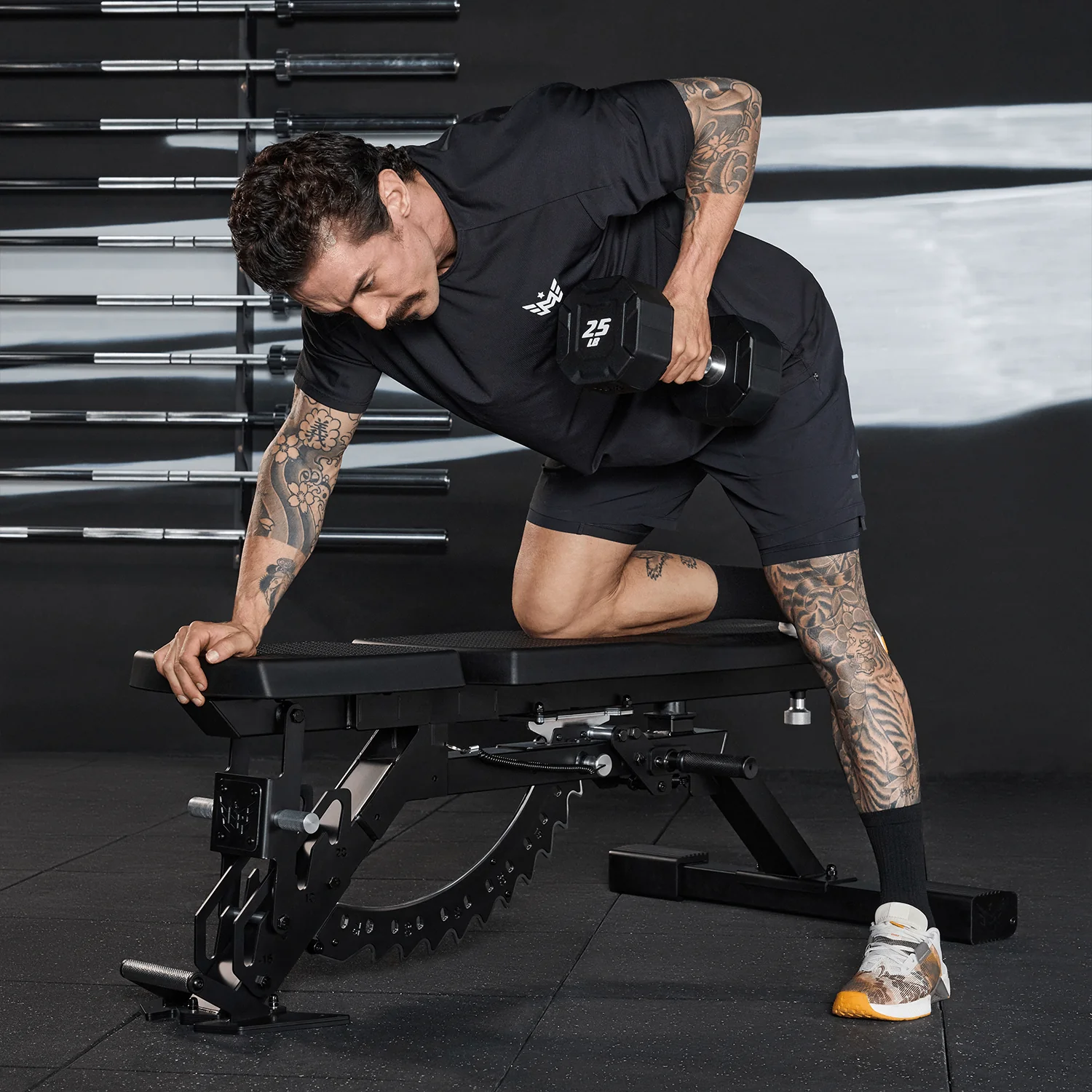
Home equipment investment varies widely. Cheap equipment deteriorates quickly broken frames, worn cables, rusted parts within months. Budget treadmills develop squeaks and mechanical failures. Low-quality weights become unusable. Replacing failed equipment multiplies costs. Commercial-grade home equipment like Major Fitness systems resist deterioration. Durable construction materials withstand years of use. Quality components maintain functionality indefinitely. Premium home equipment investments depreciate minimally compared to budget alternatives. Resale markets value quality equipment attractively many commercial grade pieces maintain 60-80% resale value. Budget equipment often proves unsellable. This means long-term cost-per-use becomes increasingly favorable. Equipment lasting twenty years amortizes cost across two decades of workouts.
Convenience and Consistency: Home Workouts Enable Higher Adherence
Gym memberships only deliver value if used consistently. Many people purchase memberships with optimistic intentions then underutilize them. Commute time, scheduling conflicts, weather deterrence, social anxiety, and intimidation prevent regular attendance. Average gym-goers attend only once or twice monthly despite monthly fees. This dramatically increases cost-per-workout someone paying $80 monthly but attending twice monthly pays $40 per workout. Calculating true cost per workout reveals memberships often exceed $15-30 per session. Home equipment removes barriers to consistent use. Workouts happen immediately no commute, no scheduling conflicts, no weather delays. Shower at home. Exercise at preferred times. Track progress privately. Studies demonstrate higher adherence with home equipment. Consistent usage dramatically improves cost-per-workout economics. Someone exercising four times weekly at home uses equipment over 200 times yearly. Amortizing $1,500-$3,000 equipment cost across consistent annual use reduces cost-per-workout to $7-15. Accessible home equipment encourages consistent workouts, dramatically improving financial value through usage consistency.
Space Efficiency and Versatility: Multi-Function Equipment Maximizes Value
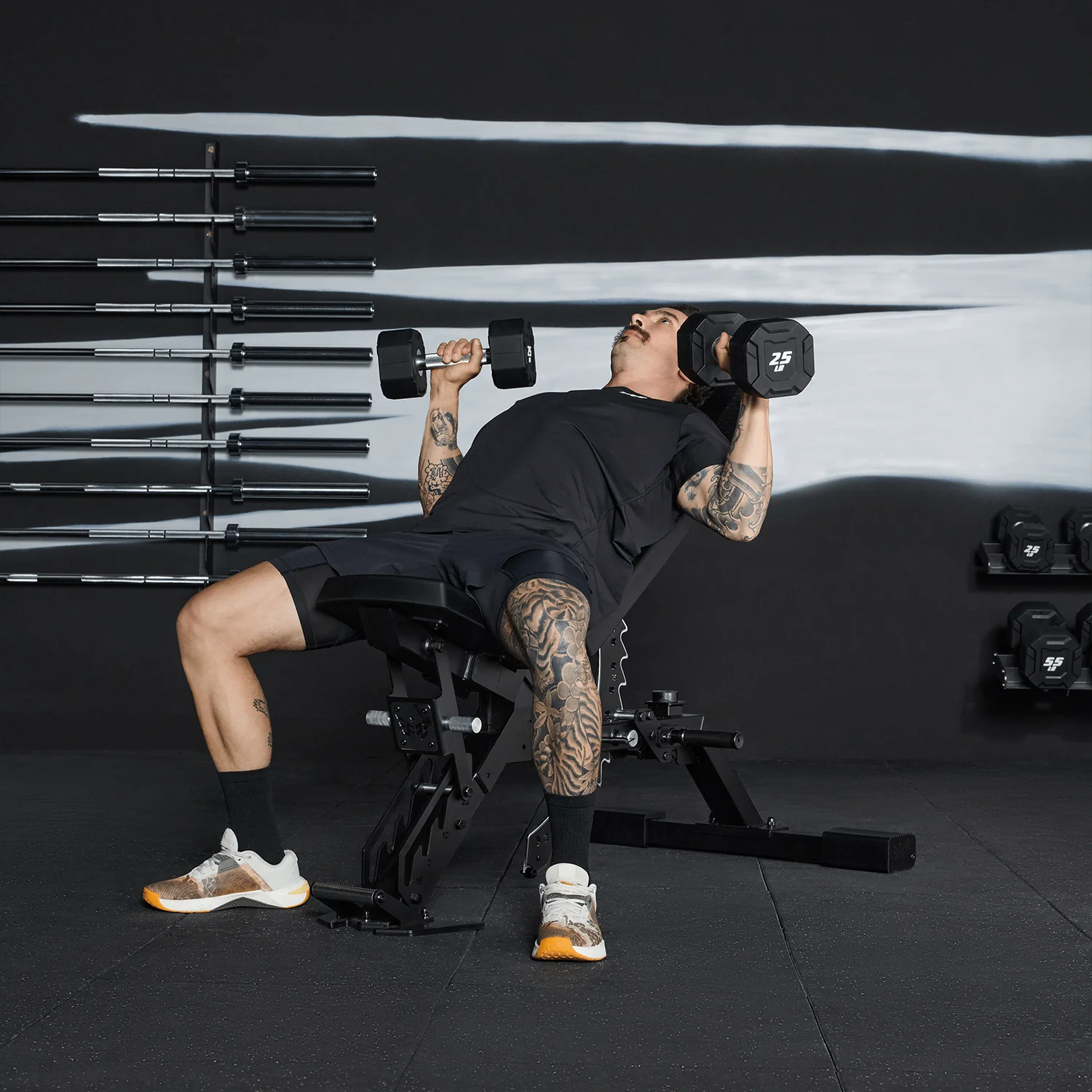
Traditional gyms provide extensive equipment variety. However, home space doesn’t accommodate dozens of machines. Versatile home equipment like the Major Fitness B52 maximizes functionality within compact footprints. Power racks enable hundreds of exercises barbell squats, deadlifts, bench press, rows, pullups. Attachments add additional exercises without requiring separate machines. Single machines replace what gyms dedicate entire rooms to. This means smaller space needs smaller equipment investment. Multi-functional equipment delivers gym-quality variety through efficient design. Home users accessing five versatile machines enjoy superior exercise variety versus paying gym membership delivering insufficient differentiation. Equipment versatility improves cost-per-exercise calculation.
Cancellation Flexibility and Life Changes: Home Equipment Adapts
Life circumstances change—relocations, injuries, pandemic disruptions, changing schedules. Gym memberships become liabilities during transitions. Cancellation fees apply. Contractual obligations persist regardless circumstances. Home equipment adapts to life changes. Moving houses? Equipment travels. Injury preventing certain exercises? Adjust workouts around equipment. Pandemic restricting gym access? Home equipment remains accessible. This flexibility prevents financial waste from circumstances beyond control. Traditional memberships force payment despite inability to use facilities. Home equipment investments eliminate circumstantial financial penalties. Equipment purchased remains available indefinitely through life transitions.
Environmental Control and Personal Preferences: Customized Workout Environments
Gyms impose standard environmental conditions. Temperature, humidity, noise levels, music selections reflect gym preferences. Crowding during peak hours disrupts focus. Inadequate sanitation concerns increase. Home gym environments enable complete customization. Control temperature, humidity, lighting, music, entertainment. Workout in silence or with preferred podcasts. Eliminate hygiene concerns. Exercise without audience pressure. This improves workout quality and psychological satisfaction. Better experiences correlate with better adherence, improving cost-per-use economics further. Superior experience justifies equipment investment through improved outcomes.
Personal Training and Coaching Costs: Home Equipment Avoids Premium Services
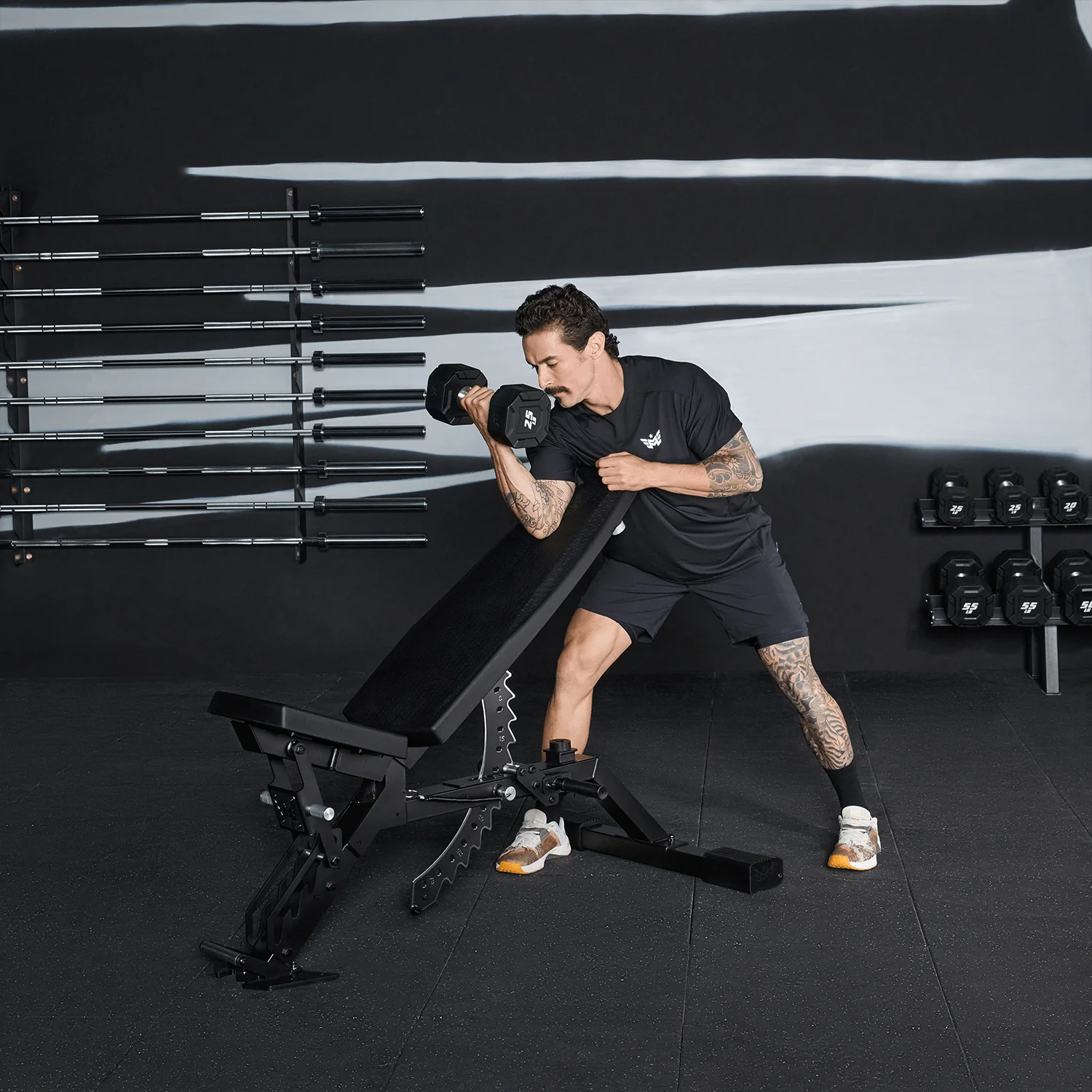
Many gym members utilize personal training. Sessions cost $50-150 per hour. Adding five monthly sessions adds $250-750 monthly. Annually, training costs exceed $3,000-9,000. Home equipment enables self-directed training or remote coaching at fraction of gym-based costs. Online programs cost $10-30 monthly. This saves thousands annually compared to in-person training. Gym memberships often bundle training costs into overall pricing, masking true expense. Home equipment separates training and equipment costs, revealing true expenses.
Realistic Cost Analysis: B52 Equipment Investment vs Five-Year Gym Commitment
Major Fitness B52 systems represent mid-range home gym investment—roughly $2,000-$3,000 initial cost depending on configuration. Five-year gym commitment at standard pricing ($100 monthly) totals $6,000. Equipment cost proves substantially cheaper even before considering convenience benefits. Using equipment three times weekly across five years produces 780 workouts. Cost-per-workout using B52 equipment: approximately $2.50-$4.00. Equivalent gym cost-per-workout: approximately $7.70. Even if B52 equipment requires maintenance or eventual replacement, five-year cost-per-workout remains superior. Ten-year scenarios dramatically favor home equipment. Decade-long gym commitment reaches $12,000. Durable B52 equipment continues functioning efficiently across ten years with minimal maintenance. Long-term equipment investment amortizes across 1,560 workouts, reducing cost-per-workout to $1.30-$2.00 versus $10.00+ gym cost.
Hybrid Approaches: Combining Home Equipment and Selective Gym Access
Home equipment and gym membership aren’t mutually exclusive. Some people maintain home equipment for primary workouts while maintaining occasional gym access. Monthly memberships starting at $25-40 provide variety without full-price commitment. This hybrid approach balances home equipment benefits against gym variety. For most committed exercisers, comprehensive home systems eliminate gym membership necessity while delivering superior long-term value.
- Gym memberships cost $9,600-$18,000 over decade commitment
- Home equipment investment amortizes across years of consistent use
- Cost-per-workout favors home equipment 3-5 times better long-term
- Convenience improves home workout adherence, improving financial value
- Multi-functional equipment delivers gym-equivalent variety efficiently
- Flexibility adapts to life changes without contractual penalties
- Customized environments improve experience and consistency
- Avoided training fees further improve home equipment economics
Transform fitness finances. Explore Major Fitness equipment delivering gym-quality workouts at fraction of traditional membership costs.