

Share This Article
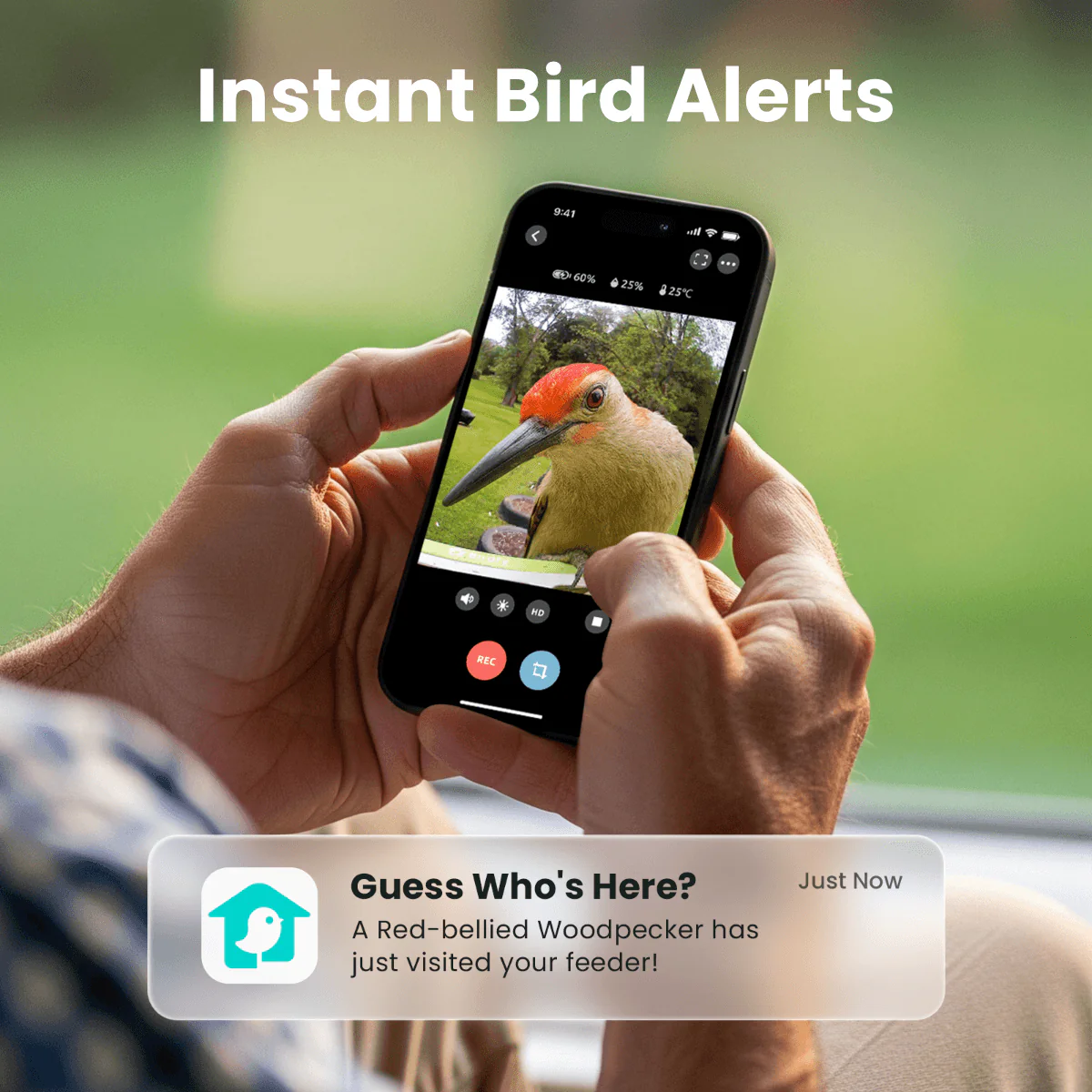
Birdwatching has traditionally been a hobby requiring patience, field guides, and early mornings. But smart bird feeder technology is transforming the experience, making it accessible, engaging, and deeply rewarding even if you have just minutes to spare. Modern smart bird feeders combine artificial intelligence, high-definition cameras, and cloud connectivity to identify bird species visiting your yard, track their behavior, and deliver real-time notifications to your phone. This guide explores how smart bird feeders work, what they reveal about backyard ecosystems, and why this technology is captivating millions of nature enthusiasts worldwide.
What Are Smart Bird Feeders and How Do They Work?
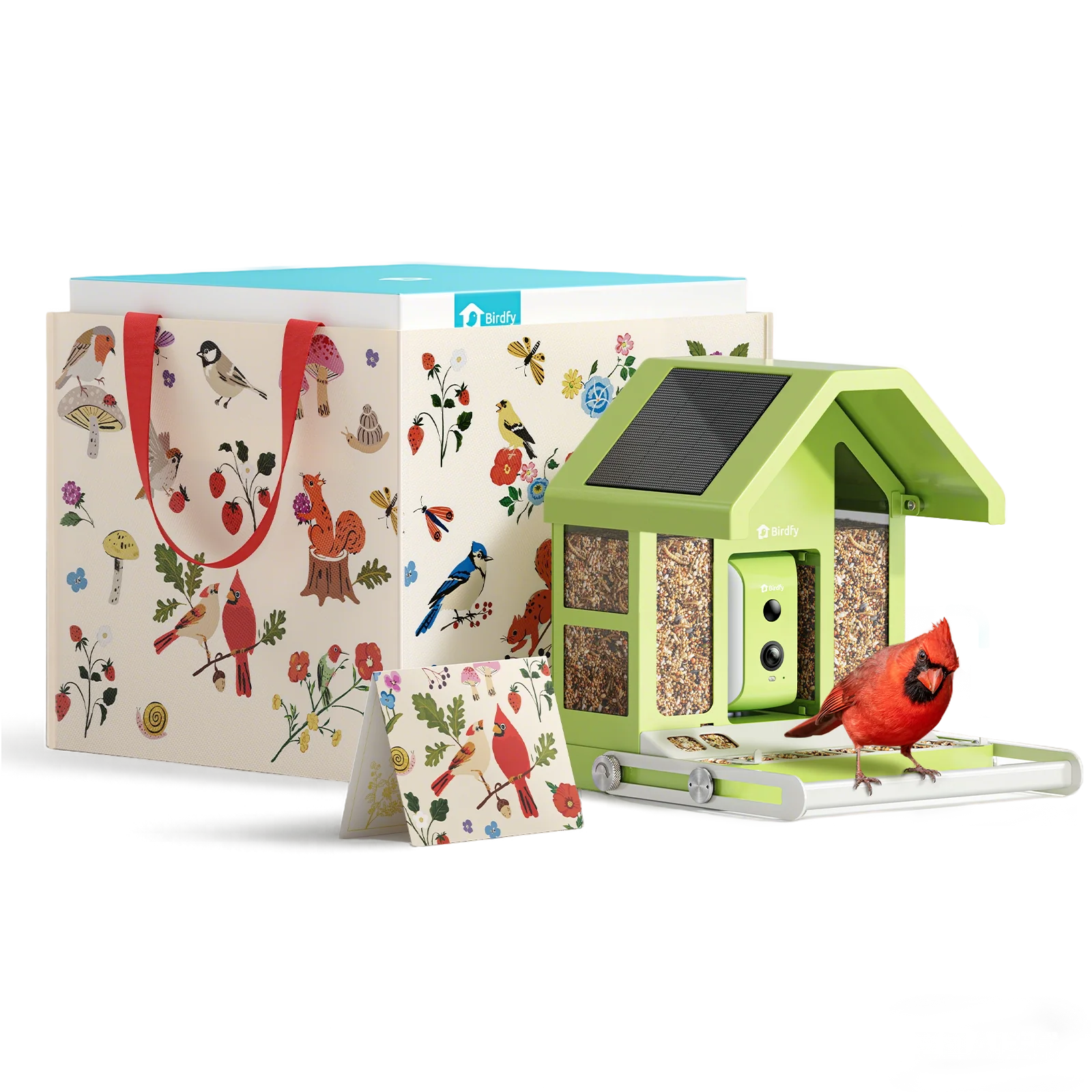
A smart bird feeder is essentially a regular bird feeder equipped with an embedded camera, motion sensors, and AI-powered software. When birds visit the feeder, the camera captures high-resolution footage and the AI analyzes the images to identify the species, count how many birds visit, and record the time and duration of each visit. The data is sent to your smartphone via a connected app, creating a detailed log of your backyard’s bird activity. Advanced models include audio recording, allowing you to hear bird calls and songs. Some feeders even analyze patterns over time, showing you which species visit most frequently, seasonal variations, and how your backyard compares to other regions tracked by the community. It’s birdwatching with scientific rigor, delivered via an app on your phone.
Species Identification: AI That Gets Smarter
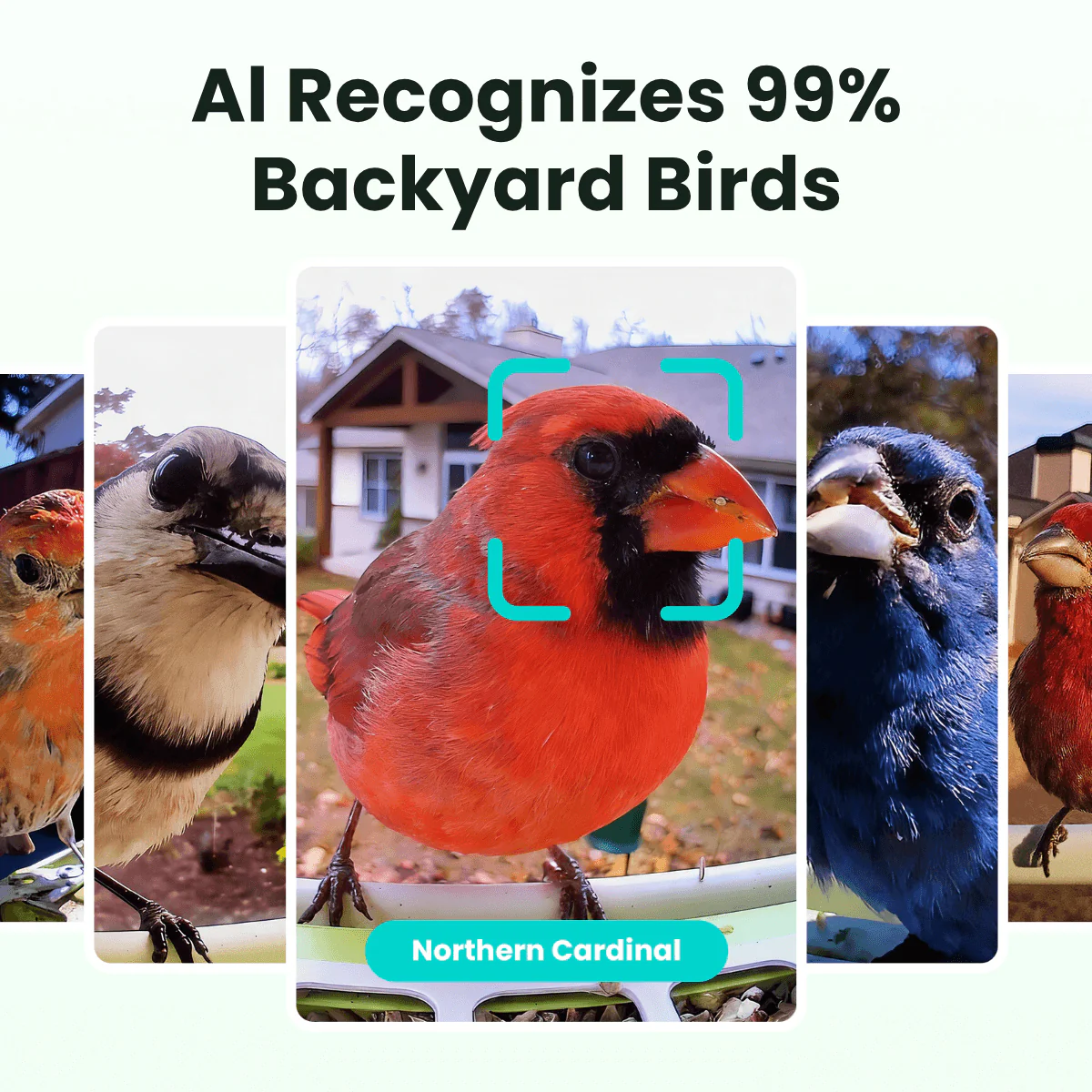
The core technology is AI-powered visual recognition trained on thousands of bird images and patterns. When a bird lands on the feeder, the camera captures multiple angles and the AI compares them against its database. The system identifies not just the species but also the individual bird’s sex and age when possible male versus female cardinals look quite different, for example. Early iterations of this technology had accuracy rates around 70-80%, but modern systems now exceed 95% accuracy on common species. The AI continues learning, meaning the more data the system collects, the better it becomes. If the AI is uncertain about an identification, the app allows you to correct it, further training the system. Over time, you contribute to a collective database of bird behavior that researchers use to study migration patterns, population trends, and how climate change affects avian ecosystems.
Beyond Identification: Behavioral Insights
Smart bird feeders reveal behavior invisible to casual observation. The app shows you feeding patterns: which birds visit in the morning versus evening, how long they stay, whether they visit alone or in groups, and how they interact with other species. You might discover that blue jays arrive in pairs and dominate the feeder, while smaller finches visit in the afternoon. You’ll notice seasonal patterns when migrants pass through your region, which species are permanent residents, and when populations peak or decline. Some apps offer heatmaps showing which feeder location attracts the most activity. This data satisfies curiosity and contributes to citizen science projects. Researchers track population health through crowdsourced feeder data, monitoring how bird populations respond to environmental changes, disease, and food availability across entire regions.
Choosing the Right Smart Bird Feeder
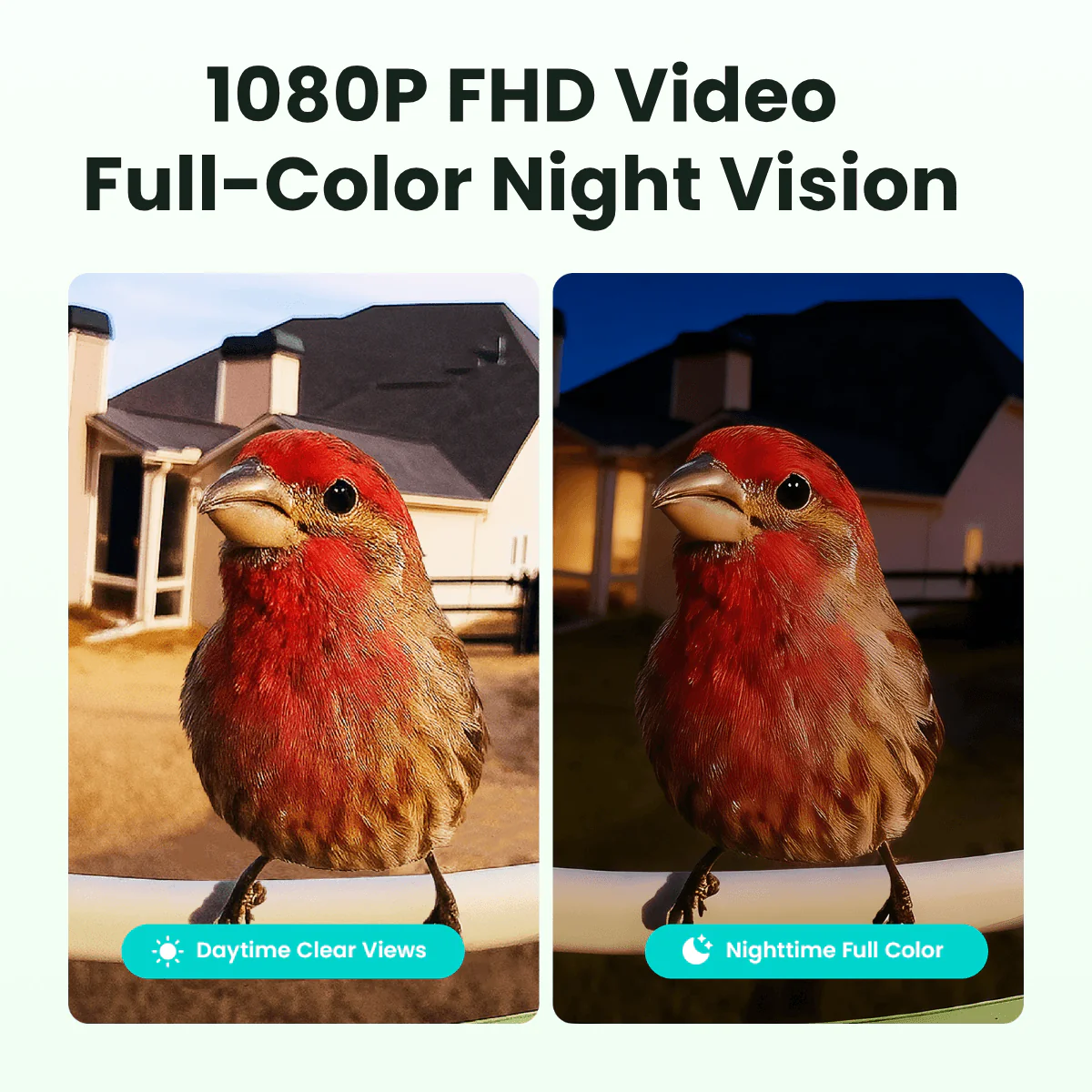
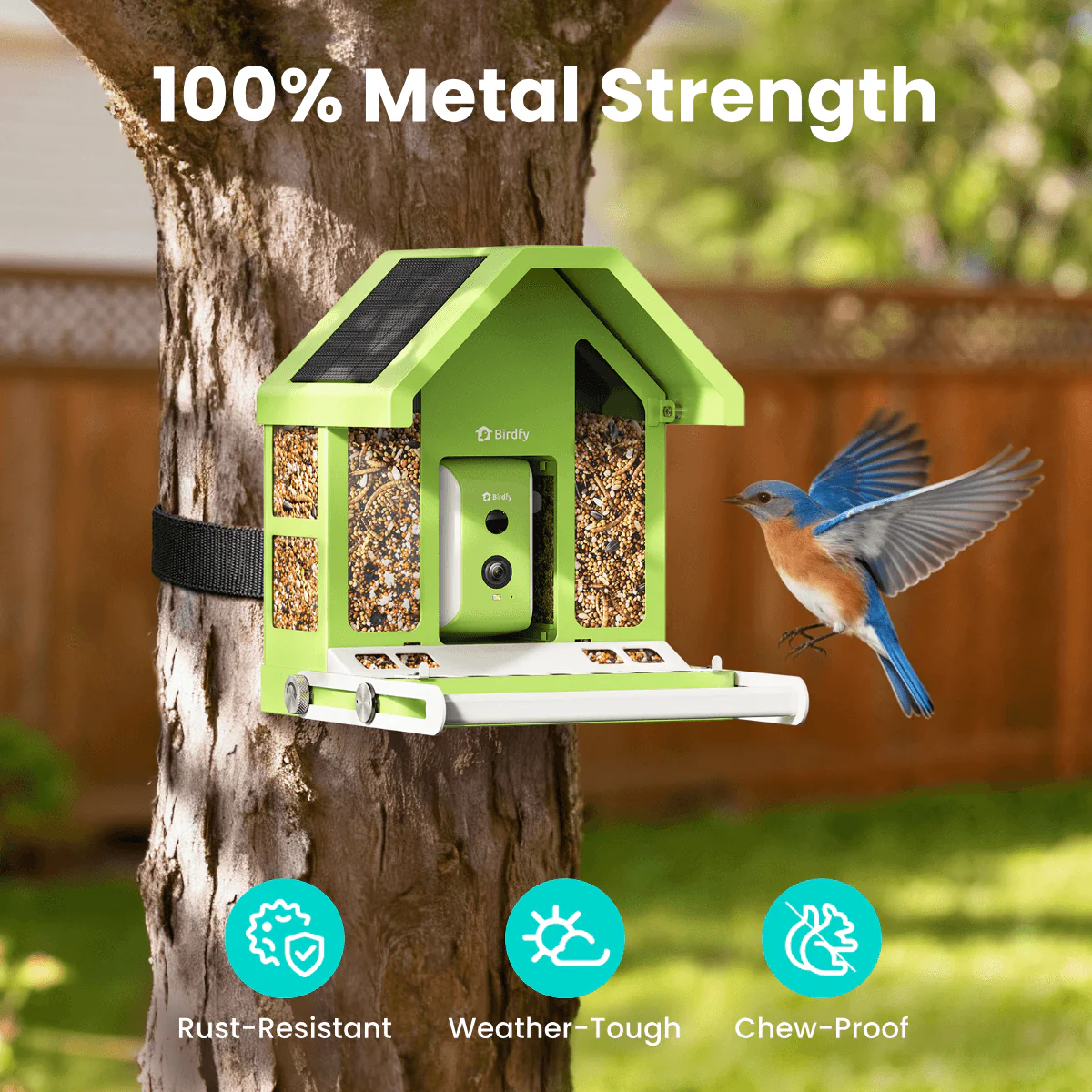
Smart bird feeders range from basic models with simple motion detection to premium options with 4K cameras, infrared night vision, and advanced AI. Entry-level feeders ($80-150) offer solid identification and basic activity tracking. Mid-range models ($200-350) add improved camera quality, longer battery life, and richer app features. Premium feeders ($400+) include 4K video, night vision, multi-feed support, and advanced analytics. Consider your priorities: if you primarily want species identification and simple activity logs, a mid-range feeder suffices. If you’re interested in nighttime wildlife and detailed behavioral analysis, invest in a premium model. Check the feeder’s weather resistance it will be outside year-round in sun, rain, and temperature extremes. Battery life matters too; some require daily charging while others last weeks. Verify that the feeder offers reliable connectivity and that the company has a strong track record of app updates and customer support.
Setup and Placement for Optimal Bird Traffic
Location is critical. Place your smart feeder where birds naturally congregate: near dense shrubs or trees they can use as staging areas before landing. Position the feeder so the camera faces the direction with the most light, avoiding backlighting that obscures details. Mount it 5-6 feet high, visible from your window but not too exposed. Offer a variety of seeds to attract diverse species: black oil sunflower seeds attract cardinals and nuthatches, nyjer seed attracts finches, and safflower attracts cardinals while repelling squirrels. Keep the feeder clean to prevent disease. Once positioned, the AI begins analyzing visits within minutes. Don’t expect constant activity initially—bird traffic builds as word spreads through the local bird community that a food source is available.
Privacy, Data, and Community
Smart bird feeders collect footage from your backyard continuously. Choose companies with strong privacy policies that let you control your data. Some platforms share anonymized data with researchers; others keep it private. Many offer opt-in community features where you see what species others nearby are observing, adding a social dimension. The best platforms let you choose your level of participation: purely private, community-shared, or research-contributed. Read the terms carefully and adjust settings to match your comfort level.
Smart bird feeders transform a simple backyard feeder into a window to the natural world. They reveal behavior, patterns, and ecosystems invisible to the naked eye. Whether you’re a casual observer or a serious birding enthusiast, the technology deepens your connection to nature while contributing to scientific understanding of avian populations.
Ready to bring AI-powered birdwatching to your backyard? Discover the latest smart bird feeder technology and start identifying species visiting your home today.