
Share This Article
Most children learn to ride a traditional pedal bike through a frustrating process. Training wheels create bad habits, creating a false sense of balance that vanishes the moment they are removed. The child then spends weeks or months learning that leaning left means falling left, that pedaling requires balance they do not yet have. Many children quit before they succeed. The experience becomes stressful for both child and parent. But there is a better way. Balance bikes skip the training wheels entirely and teach the only skill that truly matters: balance. By removing pedals and lowering the seat so children’s feet touch the ground, balance bikes let kids learn at their own pace, with their feet as insurance. The progression is natural, the learning is faster, and when the child moves to a pedal bike, they already have the critical skill that matters most. Balance bikes and kids’ riding toys designed for developing coordination and confidence set children up for genuine success in outdoor play and physical development. The difference is immediate: children who learn on balance bikes ride bikes with real confidence, not training-wheel caution.
The Physics of Balance and Why Traditional Training Wheels Fail
Learning to ride a pedal bike requires two separate skills at once: balance and pedaling. Most children cannot master both simultaneously. Training wheels remove the balance problem, forcing kids to develop pedaling strength while their brain never learns how to balance. When training wheels come off, the child has zero balance experience. They panic. They fall. They develop a fear of leaning, which makes them rigid on the bike and more likely to crash. Training wheels feel like they are helping but they are actually creating a learning gap. Balance bikes solve this by removing pedals entirely and letting children focus on the single most important skill: balancing their body over two wheels. Once a child can balance confidently, pedaling is a trivial addition. Most children who learn on balance bikes transition to pedal bikes without any drama—they already have the hard part solved.
Why Early Balance Development Matters for Lifelong Athletic Confidence
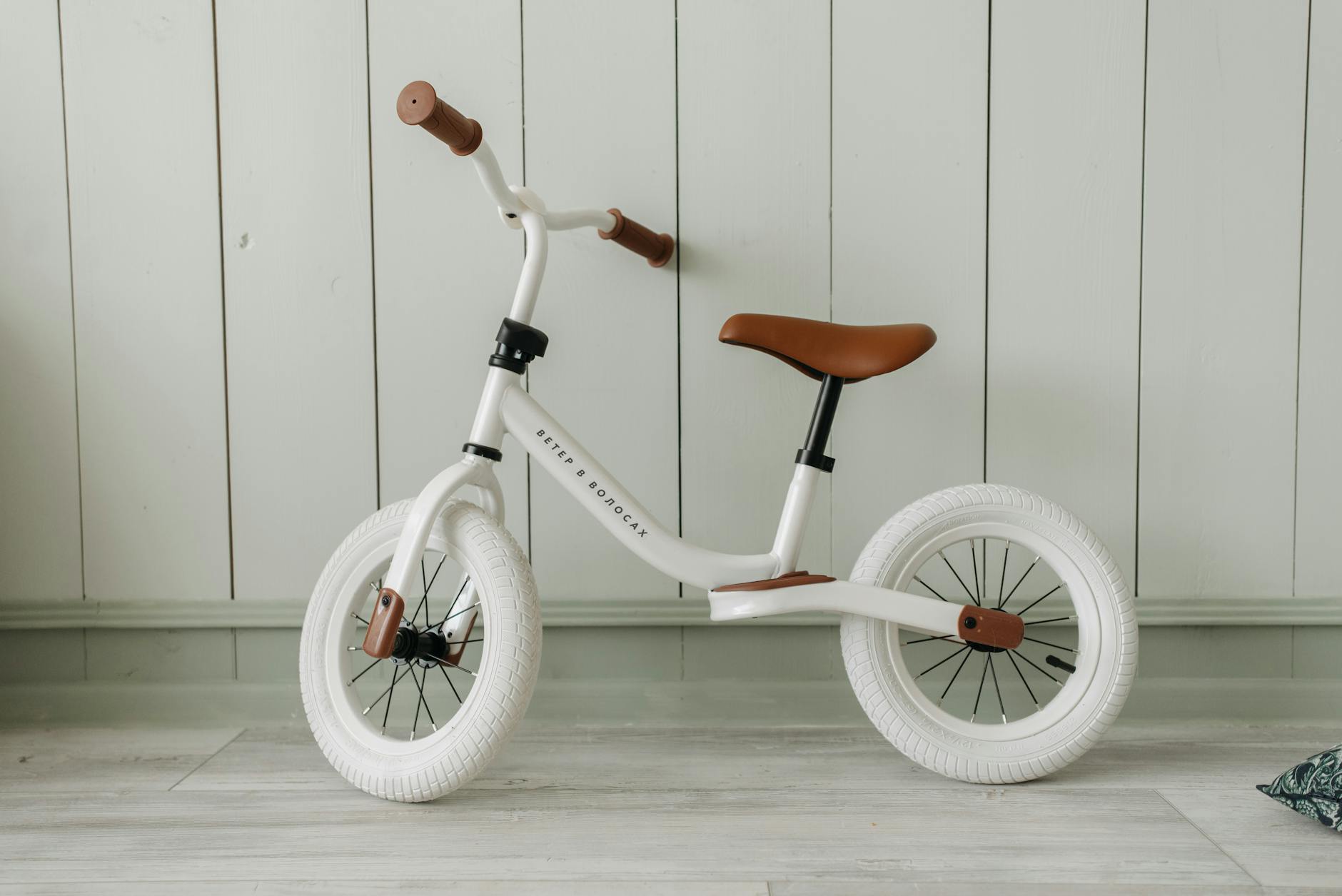
The years between two and five are when children’s motor development is most plastic and responsive. Skills learned now build neural pathways that become faster and more automatic. A child who learns balance early does not just learn to ride a bike. They learn that they are physically capable. They learn that trying something hard and failing at it is part of learning, not evidence of incompetence. They build resilience. They build confidence. These mental traits transfer to everything else—climbing, running, jumping, sports, physical risk-taking. Children who ride balance bikes develop both physical coordination and the psychological confidence that comes from genuine mastery. By age three, a child on a balance bike is already navigating terrain, adjusting their weight, understanding how their body moves through space. This foundation shapes their approach to physical challenges for years to come.
Choosing the Right Size and Weight for Your Child’s Needs
Balance bike fit matters more than it does for training-wheel bikes. If the seat is too high, the child cannot reach the ground and loses the safety net that makes the bike work. If the frame is too heavy, the child cannot maneuver it and becomes frustrated. The best balance bikes for young children follow these guidelines: the child should be able to stand over the bike with one inch of clearance, and when sitting on the seat, their feet should reach the ground with just the toes. The frame should be light enough that a child can lift and move the bike independently. The handlebars should be at a comfortable height where the child can control the bike without hunching. Most children ride balance bikes from age two to five, when they are ready for pedal bikes. Starting too early—before age eighteen months—is often frustrating because the child is still figuring out basic walking. Starting at two allows the natural progression where a child has real motor control and can learn meaningfully.
The Progression from Balance Bike to Pedal Bike
The transition from balance bike to pedal bike should feel like a natural next step, not a restart. A child who can balance confidently on a balance bike already has the foundational skill they need. When moving to a pedal bike of the same frame size, the child should already understand how to steer, how to lean slightly into turns, how their weight affects the bike, and how to put their feet down for stability. Quality riding toys that bridge balance and pedaling create a smooth progression where children build on existing skills rather than starting over with a different coordination challenge. Most children move from balance bike to pedal bike around age four or five. Some younger children progress faster. Some older children take their time. The key is that the child controls the timeline, not an arbitrary age or timeline.
Building Outdoor Confidence and Physical Play Habits

A child who can ride a balance bike confidently is a child who will play outdoors. Outdoor play is what builds health, resilience, and the habit of physical activity that extends into adulthood. A child who struggles with bikes often avoids them, missing the development that riding provides. A child who masters a balance bike early develops a sense of physical competence that makes other challenges feel manageable. They climb higher, jump further, attempt tricks, take smart physical risks. These are the building blocks of athletic development. Encouraging active childhood through balance bikes and riding toys sets the stage for a lifetime of physical confidence and outdoor engagement. The habit of outdoor play, once established, tends to persist. A four-year-old who bikes for an hour every day is a ten-year-old who still finds themselves outside, still building strength, still comfortable in their body.
Key Features to Look for When Selecting a Balance Bike
Not all balance bikes are built equally. The best ones share common qualities that make learning easier and safer. First, pneumatic tires (air-filled) that provide traction and absorb small bumps rather than hard plastic wheels that can slip. Second, a frame low enough that children’s feet touch the ground while seated. Third, steering limiters that prevent the handlebars from turning too far, which prevents the child from over-correcting and falling. Fourth, grips that are comfortable and non-slip. Fifth, a seat that is easy to adjust as the child grows. Sixth, appropriate weight for the child—under seven pounds is ideal for children under four. The best balance bikes combine these features without being overly expensive. You do not need the most expensive option, but you should avoid the cheapest models with plastic wheels and high seats. Mid-range balance bikes typically offer the best value. One consideration: decide whether you want a pedal attachment option. Some balance bikes convert to pedal bikes by adding pedals and cranks, which can extend the useful life and save money.
Making the Investment in Your Child’s Physical Development
Buying a balance bike is not a small investment, but it is an investment in your child’s physical and emotional development. The cost is typically fifty to one hundred fifty dollars for a quality bike that will last through multiple children if you have them. Compare this to the cost of physical therapy for coordination issues, or the social cost of a child who is hesitant about physical activity. A child who masters bike riding early has a skill they will use for decades. They have confidence in their body. They have the habit of outdoor play. They have experienced the satisfaction of learning something difficult through practice. These are priceless. The earlier a child learns these lessons, the more their entire life benefits.