
Share This Article
Jeju Island casts an almost mythical spell on travelers seeking respite from mainland Korea’s bustling energy. Separated from the peninsula by pristine waters, this volcanic island emerges as Korea’s ultimate natural playground, where dramatic basalt cliffs plunge into turquoise ocean, where subtropical forests shelter hidden waterfalls, where traditional villages maintain centuries-old customs despite modern encroachment. Yet Jeju’s reputation as a honeymoon destination and package tour destination obscures the island’s depth and authentic experiences waiting beyond crowded observation decks. Most visitors experience Jeju surface-level, collecting photographs from established viewpoints without understanding the geological narratives, cultural traditions, or adventure possibilities defining this remarkable island. KKday Korea transforms Jeju visits from superficial tourism into genuine discovery, curating experiences revealing the island’s authentic character and natural splendor. For travelers serious about understanding Korea beyond Seoul’s urban intensity, learning to navigate Jeju’s diverse attractions becomes essential knowledge elevating trips from pleasant vacations into genuinely transformative experiences.
Contemporary Korea travel typically centers on Seoul’s urban attractions, palaces, markets, nightlife, shopping, leaving visitors with incomplete understanding of Korean culture’s regional diversity and natural heritage. Yet Korea’s geography encompasses extraordinary landscapes each reflecting distinct characteristics and cultural traditions. Jeju Island represents the ultimate escape offering everything from volcanic terrain to subtropical vegetation, from ancient temples to contemporary art museums, from quiet fishing villages to vibrant harbor towns. The island’s isolation created unique cultural developments, traditional women divers (haenyeo) maintaining freediving traditions for millennia, island-specific cuisine highlighting regional seafood and agricultural specialties, architectural styles reflecting island climate and available materials. KKday Korea experiences unlock these authentic dimensions enabling travelers to progress beyond tourist infrastructure toward genuine cultural engagement and natural immersion.
Natural Wonders: From Volcanic Peaks to Coastal Mysteries
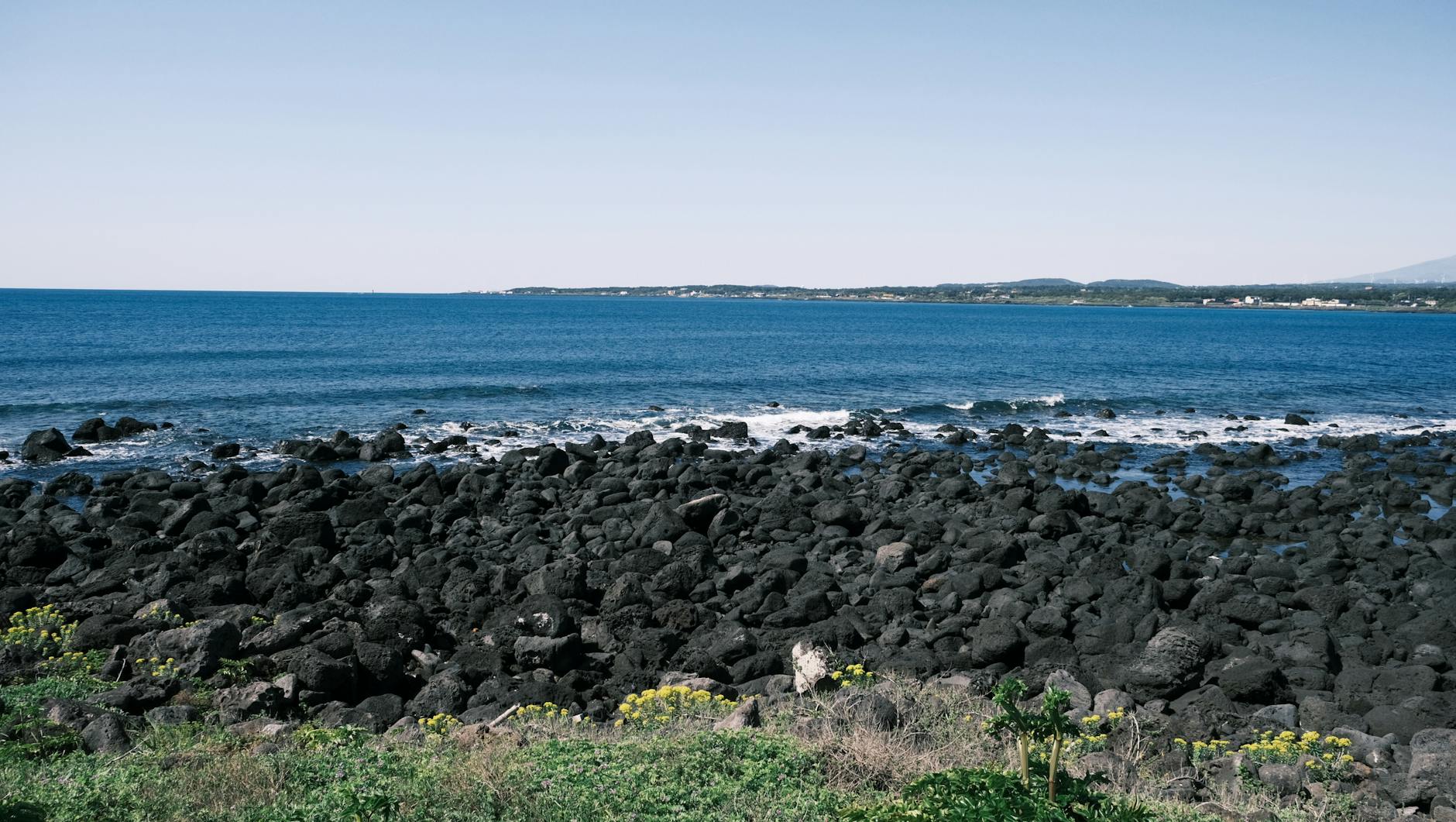
Jeju’s formation through volcanic activity left the island with extraordinary geological features distinguishing it from typical coastal destinations. Hallasan mountain, the island’s highest peak, rises majestically from the island’s center, a dormant volcano offering hiking challenges ranging from leisurely walks to strenuous summit attempts. The mountain transitions through multiple ecological zones as elevation increases, revealing how climate and altitude shape vegetation patterns. Hiking Hallasan during different seasons reveals dramatic transformations, spring cherry blossoms adorning lower slopes, summer’s lush green canopy, autumn’s magnificent color transformations, winter’s snow-capped peak. Beyond the mountain, countless volcanic cones (oreum) dot the landscape creating distinctive profiles visible throughout the island.
Coastal exploration reveals Jeju’s dramatic cliffside formations, towering basalt columns stacked like nature’s architecture, wave-carved caves creating protected alcoves, rock formations bearing names reflecting their distinctive shapes and cultural significance. Seongsan Ilchulbong rises dramatically from the ocean floor as one of Korea’s most photographed natural features, a volcanic cone offering sunrise views of unparalleled beauty. Manjanggul cave extends over 7 kilometers underground, featuring pristine lava tubes and underground waterfalls accessible through guided exploration. Jungmun waterfall crashes dramatically over volcanic cliffs into pools fed by underground springs. These natural features offer hiking, climbing, caving, and exploration opportunities for adventurers of varying ability levels. KKday Korea adventure experiences connect travelers with Jeju’s geological wonders through expertly guided explorations revealing landscape narratives and natural science underlying these spectacular formations.
Traditional Culture and Haenyeo Heritage
Jeju’s unique cultural traditions deserve priority exploration, the haenyeo (women divers) represent one of the world’s few remaining freediving cultures where women have historically been the primary income earners for fishing families. These remarkable women, some continuing traditions well into their seventies, dive to extraordinary depths without oxygen tanks using only basic wetsuits and weights. They harvest seafood, sea urchins, abalone, seaweed, that forms the foundation of Jeju’s culinary traditions. Watching haenyeo perform their synchronized breathing techniques (characteristic sounds distinctly audible), emerging with gathered treasures, provides profound appreciation for this endangered cultural practice and the physical capabilities these women demonstrate. Many haenyeo offer hands-on diving experiences or cooking demonstrations featuring their harvested catch.
Beyond diving traditions, Jeju’s village culture reflects distinct island characteristics. Gujwa-eup maintains traditional fishing village atmosphere with colorful boats, fish markets, and waterfront restaurants serving impossibly fresh seafood. Seongeup Folk Village preserves traditional architecture and crafts including thatched-roof houses (gotjawal), stone sculptures (harubang), and agricultural traditions. Jeju Folk Museum provides context understanding how island geography shaped traditional daily life, agricultural practices, family structures, and cultural rituals. Temple visits reveal Buddhist heritage coexisting with indigenous shamanic traditions, many temples feature unique island architectural characteristics adapting to local climate and available materials. KKday Korea cultural experiences facilitate authentic engagement with these traditions through guided visits, hands-on workshops, and interactions with knowledge holders maintaining these practices.
Culinary Adventures: Island Flavors and Seasonal Treasures

Jeju’s isolation created distinctive cuisine emphasizing local ingredients, fresh seafood from surrounding waters, island-specific vegetables, grain varieties adapted to volcanic soil, regional condiments and fermented foods unavailable on the mainland. Black pork (black Iberian pigs raised on the island) features prominently in Korean BBQ experiences. Seafood dominates menus, grilled fish, raw fish preparations, seafood stews, seaweed delicacies, often featuring catch from that morning’s markets. Abalone (expensive mainland delicacy) appears frequently in Jeju menus at reasonable prices. Tangerines (Jeju oranges) represent the island’s signature agricultural product available fresh during season. Hallasan makgeolli (rice wine) and specialty soju distill island grains into regional beverages unavailable elsewhere.
Market exploration reveals Jeju’s food culture vividly. Dongmun Market, despite tourist popularity, maintains authentic function serving local residents alongside visitors. Morning hours reveal fish merchants, produce vendors, and food stall owners preparing regional specialties. Sea urchin, abalone, and fresh fish glisten on ice. Elderly women sell fresh vegetables, island-grown fruits, and regional food products. Food-focused cooking classes teach preparation techniques while building appreciation for ingredient quality and flavor principles. Seafood jjim (steamed dishes) preparations demonstrate how multiple ingredients combine creating balanced complex flavors. Farm visits reveal agricultural practices adapted to volcanic soil and subtropical climate. KKday Korea culinary experiences connect travelers with Jeju’s food culture through market explorations, hands-on cooking classes, and dining experiences featuring expert preparation of local specialties.
Contemporary Art and Cultural Fusion
Beyond traditional heritage, Jeju hosts thriving contemporary art scene reflecting Korea’s creative energy. Art museums showcase international and Korean artists in settings featuring island landscape views. Jeju Art Park features outdoor sculpture installations creating dialogue between contemporary art and natural environment. Independent galleries in Gujwa and other towns feature emerging artists exploring island themes. Street art and public installations increasingly populate urban areas transforming ordinary spaces into open-air galleries. This contemporary cultural layer adds dimension to Jeju experience, honoring traditional heritage while celebrating modern creative expression.
Travel brevity demands strategic experience selection maximizing meaningful engagement over passive sightseeing accumulation. Weeks spent planning translate into days experiencing, emphasizing quality over quantity. KKday Korea experiences transform Jeju visits from standard tourism into personalized journeys reflecting individual interests and learning goals. By prioritizing authentic cultural engagement, natural exploration, and culinary discovery, travelers return home enriched with genuine understanding of this remarkable island and the cultures sustaining it.