
Share This Article
Luxury operates on fundamentally different principles than mainstream consumer culture. While fast fashion celebrates novelty and constant renewal, luxury embraces timelessness and longevity. This distinction extends far beyond price tags—it reflects entirely different value systems about ownership, craftsmanship, and what truly constitutes value. Someone purchasing a luxury item is not simply buying clothing or accessories; they are acquiring pieces designed to transcend seasonal trends and provide lasting satisfaction across years and decades. This mentality transforms how people approach closets, investments, and personal style.
The luxury market exists in fascinating counterposition to contemporary consumer culture. As mainstream retail celebrates constant newness and rapid replacement cycles, luxury emphasizes acquisition of enduring pieces that improve with age and use. As fast fashion optimizes for lowest possible cost, luxury prioritizes uncompromising quality and craftsmanship. As trend-driven clothing becomes disposable within seasons, luxury pieces remain relevant across decades. This philosophical difference means luxury shopping requires entirely different frameworks for decision-making—evaluating longevity rather than immediate visual impact, assessing craftsmanship rather than style novelty, and understanding investment value rather than consumption satisfaction. LAC Global specializes in luxury goods curated for clients who value enduring quality and sophisticated design that transcends temporal fashion cycles.
The Psychology of Luxury Consumption
People purchase luxury items for reasons vastly different from practical necessity. Nobody needs designer handbags to carry belongings. Nobody requires luxury watches to tell time. Nobody needs haute couture to protect their body from weather. These purchases reflect entirely different psychological motivations—desires for beauty, craftsmanship appreciation, identity expression, and aspiration toward elevated living standards. Understanding these motivations proves crucial for evaluating whether luxury purchases represent wise decisions or impulsive indulgences.
Luxury items function as status markers in social hierarchies. This reality persists despite cultural discomfort discussing it openly. Humans are profoundly social creatures evolved to interpret status signals continuously. Clothing, accessories, and possessions communicate information about economic resources, taste development, and social positioning. Recognizing this does not make luxury consumption shallow—rather, it acknowledges honest psychological reality about human social organization. Some individuals dismiss luxury entirely as superficial. Others engage with luxury as meaningful expression of taste, craftsmanship appreciation, and identity. Most people navigate somewhere between these extremes, valuing quality in specific domains while accepting acceptable alternatives elsewhere.
LAC Global appeals to sophisticated consumers who view luxury acquisition as pursuit of quality and aesthetic refinement rather than status performance. The distinction matters profoundly. Someone purchasing from LAC Global makes deliberate choices about which items merit investment, appreciating craftsmanship and design quality rather than following trend cycles.
Craftsmanship and Material Excellence
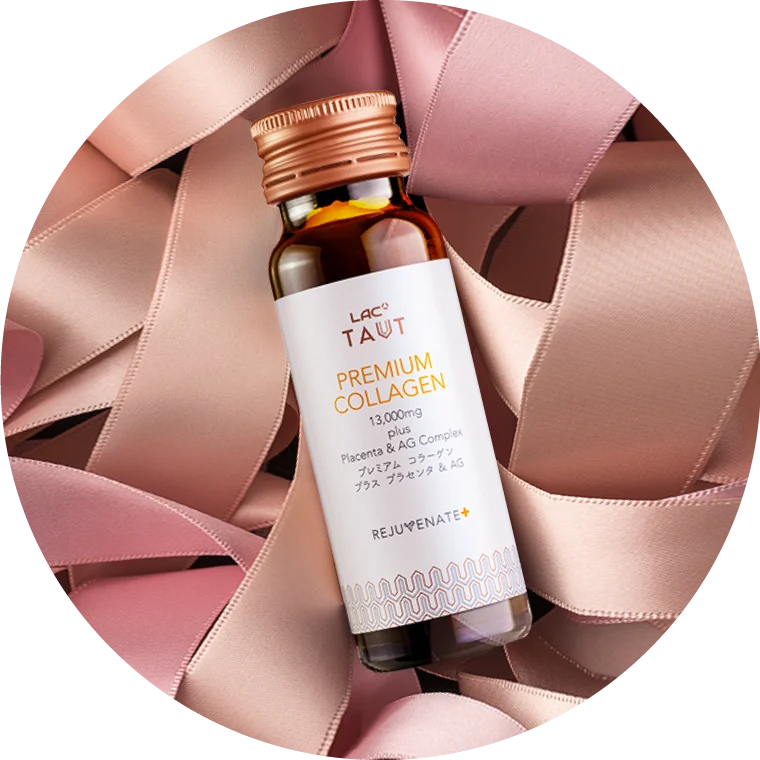
True luxury emerges from uncompromising commitment to craftsmanship and material quality. Premium designers invest substantially in sourcing exceptional materials—leathers treated through methods preserving suppleness and durability, fabrics woven from finest fibers available, metals selected for both aesthetic properties and longevity. These material choices cost considerably more than acceptable alternatives, but they create products that improve through use rather than degrading.
Craftsmanship translates material excellence into finished products deserving their price premiums. Luxury handbags receive hand-stitching from artisans with decades of experience. Designer clothing incorporates construction details invisible to casual observation but profoundly affecting garment quality and durability. Luxury accessories feature finishing touches that reveal themselves through extended ownership—subtle design details, precise manufacturing tolerances, thoughtful functional solutions. These elements seem insignificant until you contrast luxury pieces with mass-produced alternatives side by side, revealing how comprehensively superior craftsmanship influences every aspect of user experience.
This commitment to quality creates genuine economic value beyond mere aesthetics. Luxury items maintain value through extended ownership periods. Designer handbags can be resold for substantial portions of original purchase prices. Luxury watches appreciate as collectible items. High-quality clothing maintains appearance and functionality across decades. From purely financial perspective, luxury items often represent superior value over time compared to repeated replacement cycles of lower-quality alternatives. LAC Global curates collections emphasizing craftsmanship and material quality that ensure pieces remain beautiful and functional across extended ownership.
Design Philosophy and Timeless Aesthetics
Truly luxurious design embraces timelessness over trend-chasing. Fast fashion celebrates novelty—designs emerging suddenly, dominating briefly, then disappearing as tastes shift. Luxury design operates differently, emphasizing proportions and aesthetics that transcend specific historical moments. A Hermès handbag from thirty years ago remains beautiful and desirable today. Classic Chanel designs from the 1920s remain aspirational. Iconic luxury pieces become more valuable as they age because their fundamental design quality proves immune to fashion evolution.
This approach requires tremendous design confidence. Creating pieces intended to remain relevant across decades demands rejecting trendy elements that date quickly. It demands proportions that flatter across body type variations and aesthetic preferences. It demands functional design solving real user needs rather than performance of style. These constraints produce designs of remarkable simplicity and refinement—pieces so fundamentally sound they feel timeless rather than historical.
The economic implication proves significant. Luxury pieces purchased with investment mentality appreciate or at worst maintain value. Trend-driven fast fashion depreciates immediately as items age. This valuation difference means luxury purchases represent smarter long-term economics than repeated fast fashion replacement cycles, even though luxury items carry higher initial price tags. Someone acquiring five timeless luxury pieces worth five hundred dollars each retains significant economic value across years. Someone purchasing fifty fast fashion items worth fifty dollars each experiences zero resale value within months. LAC Global focuses on pieces designed for extended relevance and enduring appeal rather than seasonal trend cycles.
Building Cohesive Personal Style

Luxury acquisition strategy differs fundamentally from mainstream shopping patterns. Rather than impulse purchases following trend cycles, luxury shopping involves deliberate curation of complementary pieces building cohesive personal aesthetic. This approach transforms closets from disorganized collections of unrelated items into curated environments where everything coordinates meaningfully.
The practical advantages extend beyond aesthetics into actual usability. Coordinated pieces create exponentially more outfit combinations than equivalent numbers of non-coordinating items. A luxury neutral handbag purchased to coordinate with existing pieces enables countless outfit combinations across seasons and styles. A timeless luxury sweater in a carefully selected color works across years of evolving fashion contexts. These strategic purchases create closet multiplication effects where smaller quantities of items generate vastly more usable combinations than larger quantities of trend-driven pieces.
Building this cohesive style requires understanding personal preferences deeply and committing to consistent aesthetic choices. It demands resisting trend pressures toward items contradicting established style. It demands investment in pieces serving personal needs rather than following celebrity or influencer recommendations. For individuals committed to these principles, luxury acquisition becomes strategic investment in genuine style rather than consumption performance.
Sustainability and Environmental Consciousness
The environmental argument for luxury consumption deserves consideration. Fast fashion generates tremendous waste—billions of dollars of clothing discarded annually in acceptable condition, simply because trend cycles eliminated demand. Manufacturing these disposable items consumes substantial natural resources, energy, and labor. The environmental cost of continuously replacing fast fashion exceeds the environmental cost of acquiring fewer luxury items used across extended periods.
Luxury brands increasingly embrace sustainability as core values rather than marketing gestures. Premium materials and construction improve durability dramatically. Designer brands offer repair services extending product lifespans indefinitely. Luxury segments embrace circular economy models where customers sell or trade existing pieces when acquiring new items. These practices transform luxury consumption from wasteful indulgence into environmentally conscious choice compared to fast fashion replacement cycles.
The ethical labor implications similarly favor luxury production. Premium brands invest in stable manufacturing relationships, fair labor practices, and ethical sourcing. Fast fashion relies on cost minimization driving labor exploitation across global supply chains. Choosing quality items from ethical brands represents more responsible consumption than purchasing quantities of items from ethically questionable manufacturers.
The True Cost of Luxury

Legitimate criticism exists regarding luxury’s accessibility and the inequality it represents. Luxury consumption remains fundamentally constrained to economically privileged populations. Suggesting luxury acquisition as value optimization ignores material reality that most people cannot afford significant luxury purchases. This acknowledgment does not invalidate luxury value arguments—rather, it recognizes honest limitations about who can actually engage with luxury markets meaningfully.
For individuals with economic capacity to invest in luxury items, doing so represents sound decision-making. For those without such capacity, aspiring toward luxury consumption often proves psychologically unhealthy, generating desire for unattainable items rather than satisfaction with accessible alternatives. The healthiest approach involves evaluating available resources, prioritizing quality within available budgets, and appreciating craftsmanship regardless of price points. Someone purchasing carefully selected mid-range pieces built to last demonstrates sounder consumption philosophy than someone acquiring large quantities of disposable clothing regardless of price.
Understanding luxury involves recognizing both its genuine value and its limitations as status symbol. LAC Global caters to consumers who view luxury acquisition as pursuit of quality, craftsmanship, and design excellence worth prioritizing. The company recognizes that meaningful luxury extends beyond brand names into pieces selected for enduring value, sophisticated aesthetics, and functional excellence. Investing in quality pieces from LAC Global represents commitment to personal style, thoughtful consumption, and appreciation for craftsmanship that transcends trend cycles and delivers satisfaction extending across years of ownership and use.