Share This Article
Most footwear is designed around the idea that feet need support, cushioning, and correction. Vivobarefoot was founded on the opposite premise: that the human foot is a biomechanical masterpiece that works best when left alone to do what it evolved to do. Since launching in 2012, the brand has built a global following of over one million customers who have made the switch to minimalist footwear and, in most cases, never looked back.
The Three Principles Behind Every Shoe
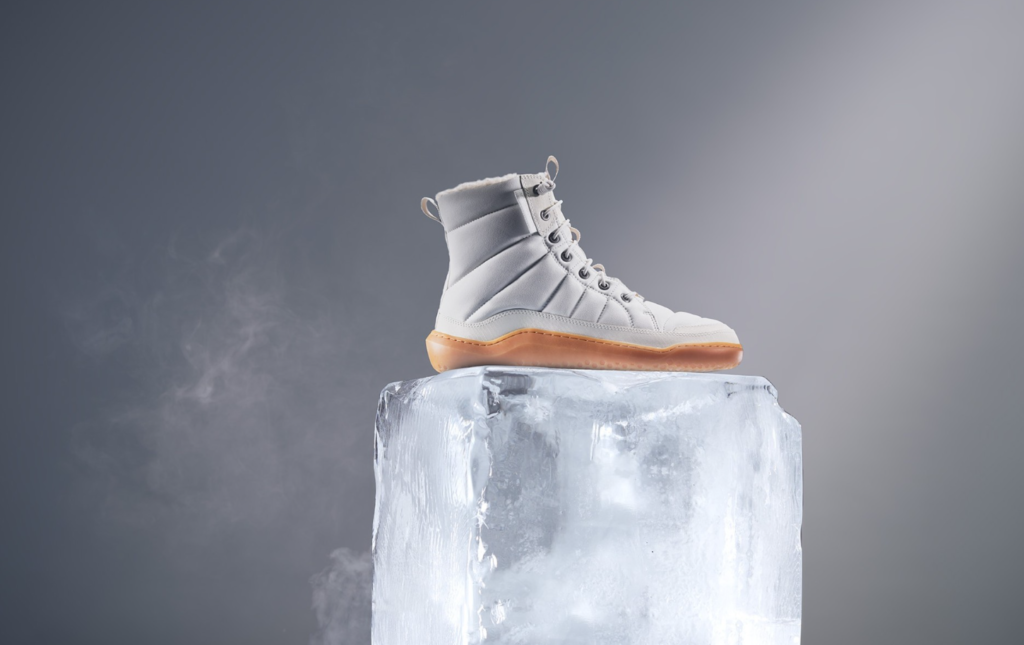
Every Vivobarefoot shoe is designed around three properties that distinguish barefoot footwear from conventional shoes. Wide fit allows toes to splay naturally, which is how feet are shaped when unshod and how they provide proper balance and ground contact. Thin soles allow sensory feedback from the ground to reach the foot, enabling the nervous system to make micro-adjustments that cushioned soles prevent entirely. Flexible construction allows the foot to bend and move as it would naturally, rather than being held in a rigid shell that restricts the muscles and tendons from doing their job.
A 2021 study by Curtis found that daily activity in minimalist footwear increases foot strength by 60% over six months. That figure, which Vivobarefoot cites prominently, reflects what the brand’s most devoted customers tend to report anecdotally: that their feet feel stronger, more capable, and less prone to the chronic issues that sent them looking for a different kind of shoe in the first place.
A Range Built for Every Activity

The product lineup is organised by activity rather than style, which reflects the brand’s functional philosophy more than an aesthetic one. Trail running shoes like the Primus Trail Flow Mid II are built for runners who want genuine ground feel on technical terrain without sacrificing protection from sharp rocks or roots. The mid-cut design adds ankle coverage without the rigid support of a conventional trail boot, keeping the foot free to respond to the ground while staying stable on uneven surfaces.
The Motus Strength II is the training flagship and was voted the best minimal training shoe on the planet by Men’s Health. It is designed specifically for strength and conditioning work, where ground contact and foot engagement during lifts matters more than cushioning. The wide toe box allows the foot to spread during loaded movements, which is where conventional training shoes, by compressing the toes, often create instability rather than resolving it.
The Gobi II Sneaker Leather is the everyday answer, a leather sneaker that applies the same barefoot principles to a shoe people would wear to work, out for lunch, or around the city. It has been described as one step closer to fully biodegradable footwear, reflecting the brand’s ongoing work toward more sustainable materials and end-of-life solutions.
The Ultra IV sits at the amphibious end of the range, built for sand, sea, rivers, and rock pools. The ESC series, which includes the Jungle ESC, covers expedition-grade adventures where barefoot principles need to hold up in genuinely demanding conditions. For children, the range runs from toddlers through juniors, with the Primus Sport IV and Primus Trail Knit FG covering active kids who need footwear that moves with them rather than restricting how they run and climb. The brand’s position on children’s footwear is clear and consistent: feet develop best when allowed to move naturally, and early intervention with rigid, cushioned shoes can set patterns that affect movement well into adulthood.
The Transition Question
One of the most honest things about Vivobarefoot is its approach to switching from conventional shoes. The brand does not suggest that anyone can simply swap out their current footwear overnight and carry on as normal. Feet and lower limbs that have spent years in cushioned, supportive shoes need time to rebuild the strength and mobility that barefoot movement requires.
A dedicated transition guide on the website walks new customers through what to expect, how long the adaptation typically takes, and the most common mistakes people make when moving too quickly. The 100-day trial offers first-time buyers the option to return shoes within that window if the transition does not work for them, which removes the financial risk from what can feel like a significant commitment to a new way of moving.
VivoHealth: Beyond the Shoes
Vivobarefoot has expanded beyond footwear into a health education platform that reflects the brand’s broader philosophy. VivoHealth offers online courses covering feet and ankle health, movement and training, running, and holistic health. Specific rehabilitation programmes for plantar fasciitis, flat feet, and bunions are available, each structured as a 12-week programme with expert guidance.
A free foot assessment tool on the website provides personalised advice based on individual foot type and health concerns, acting as an entry point for anyone who wants to understand their feet better before committing to a purchase or a programme.
Sustainability Without the Performance Trade-Off
The brand is a certified B Corp and publishes an annual regenerative report card that holds it accountable to environmental and social commitments rather than simply stating values. Revivo, its resale and repair platform, gives old pairs a second life. A Take Back programme accepts worn shoes for recycling. VivoBiome represents the brand’s most ambitious project yet, a 3D-printed, compostable shoe that would close the material loop entirely.
The sustainability work does not ask customers to accept a compromise in performance to participate in it. The Gobi II Sneaker, built toward biodegradability, is the same barefoot shoe it would be if the materials carried no environmental intent at all. That alignment between performance and responsibility is what distinguishes the most credible sustainability commitments from the ones that require trade-offs.
For anyone whose feet have been causing problems, whose movement has felt restricted, or who is simply curious about what shoes designed for human biology rather than fashion convention actually feel like, Vivobarefoot offers one of the most well-developed and evidenced entries into that question.