
Share This Article
If you are waking up tired even after a full night in bed, your sleep position might be quietly working against you. ShutEye explores how the way you sleep directly impacts breathing, spine alignment, and overall sleep quality. The “best” position is not universal, but side sleeping is often considered the most balanced for most people because it supports natural spinal alignment and reduces strain on the body. ShutEye highlights that your position is not just about comfort in the moment, it shapes how well your body recovers overnight, which explains why small adjustments can make a noticeable difference in how you feel the next day.
How different sleep positions affect your body
ShutEye breaks down sleep positions into three main categories: back, side, and stomach, each with its own pros and drawbacks. Back sleeping can support spinal alignment but may worsen snoring or breathing issues. Side sleeping is widely recommended because it keeps airways more open and reduces pressure on the spine, especially when paired with the right pillow. Stomach sleeping, while comfortable for some, often puts strain on the neck and lower back due to unnatural positioning. ShutEye emphasizes that the goal is not perfection but awareness, understanding how your default position affects your body helps you make more intentional adjustments over time.
Why side sleeping is often the go-to recommendation
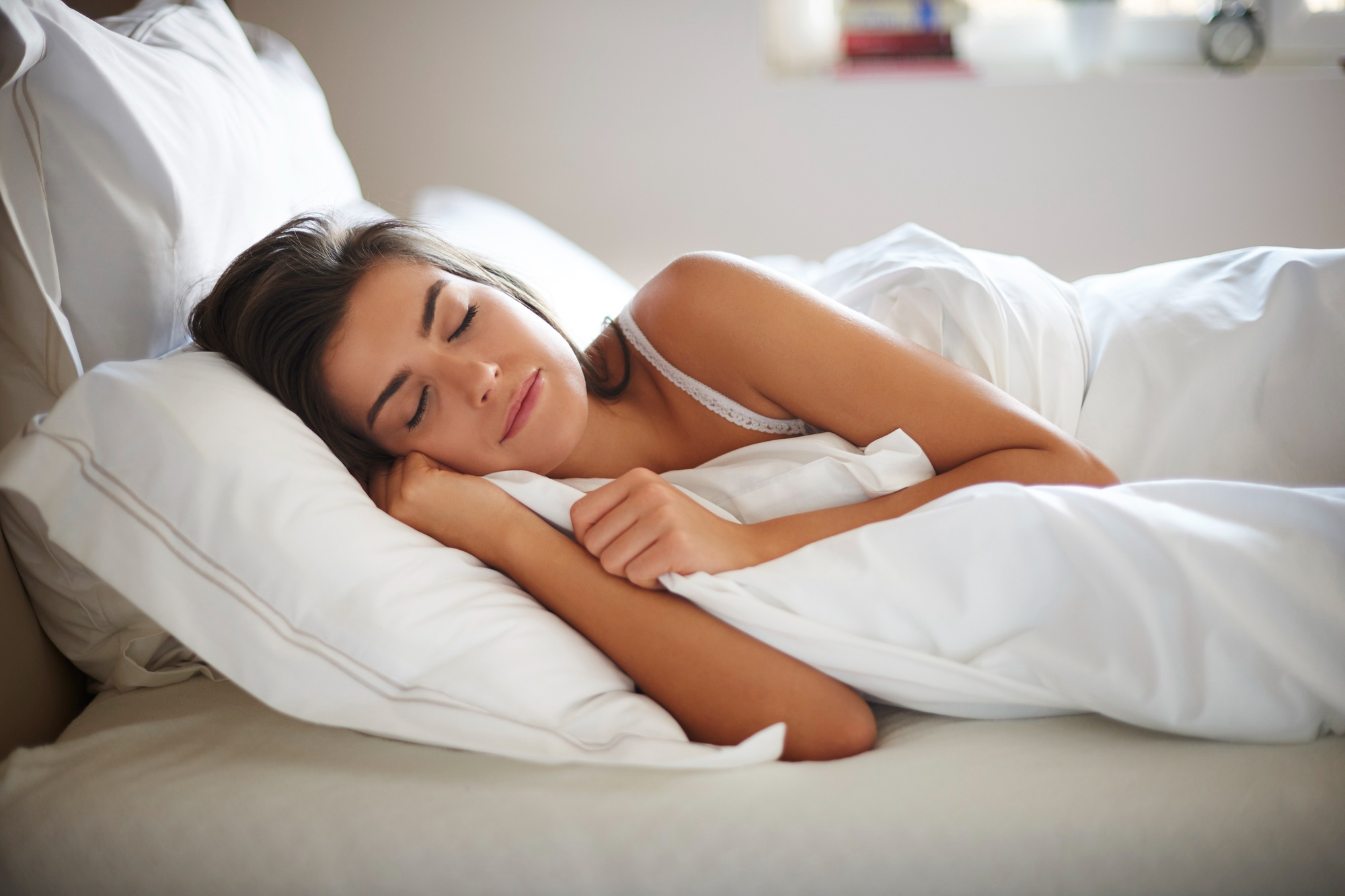
Side sleeping consistently stands out as the most practical option for a wide range of sleepers, and ShutEye reinforces this with good reason. It helps maintain better airflow, which is especially useful for those dealing with snoring or mild sleep disruptions. It also reduces pressure on the spine when properly supported, making it a comfortable long-term choice. ShutEye also points out that side sleeping can be particularly beneficial for people dealing with acid reflux or general discomfort during the night. While it may take some adjustment if you are used to another position, it often becomes the most natural and sustainable option once your body adapts.
Back vs stomach sleeping: what’s the real trade-off?
Back and stomach sleeping sit on opposite ends of the spectrum when it comes to support and strain. ShutEye explains that back sleeping can be beneficial for maintaining a neutral spine, but it may not be ideal for those prone to snoring or sleep apnea. On the other hand, stomach sleeping can feel comfortable initially but often leads to long-term discomfort due to the way it twists the neck and compresses the lower back. ShutEye does not completely rule out either position but encourages awareness of their effects. The trade-off comes down to comfort versus alignment, and finding a balance that supports both is key.
How to improve your sleep position without overthinking it
Changing your sleep position does not need to feel like a complete reset. ShutEye suggests making small, practical adjustments rather than forcing an overnight switch. Using supportive pillows, adjusting mattress firmness, and being mindful of how you fall asleep can gradually shift your habits. For example, placing a pillow between your knees can improve alignment if you sleep on your side, while a supportive neck pillow can help back sleepers maintain comfort. ShutEye focuses on realistic changes that fit into your routine, making it easier to improve sleep without turning it into a complicated process.
Who should pay closer attention to sleep position

Sleep position matters for everyone, but ShutEye highlights that certain groups may benefit even more from making adjustments. People dealing with back pain, neck stiffness, snoring, or disrupted sleep may notice quicker improvements by simply changing how they sleep. It is also relevant for those who spend long hours sitting or working at a desk, as poor posture during the day can carry over into the night. ShutEye makes it clear that while sleep position is not the only factor affecting rest, it is one of the easiest to control, which makes it a smart place to start.
The simplest sleep upgrade that actually works
ShutEye brings attention to something many people overlook, the way you sleep can be just as important as how long you sleep. Adjusting your position is a low-effort change with the potential for noticeable results, especially when combined with the right support from pillows and mattresses. ShutEye does not promise instant transformation, but it offers a practical path toward better rest by focusing on alignment and comfort. For anyone looking to improve sleep without overcomplicating their routine, this is one of the easiest upgrades to start with and one that can quietly improve how you feel every morning.